
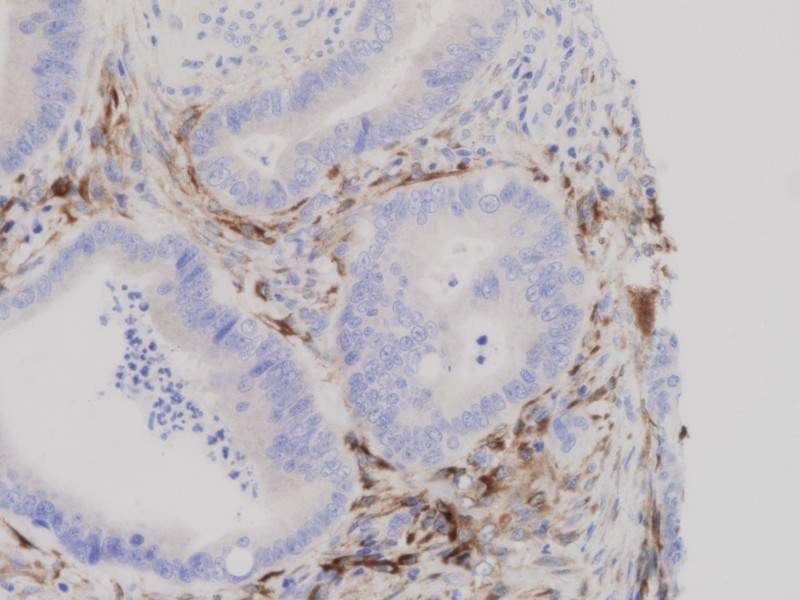
Researchers at Japan’s Showa University have unveiled a new endoscopic system powered by artificial intelligence (AI) for the diagnosis of colorectal cancer.
The new computer-aided system is designed to analyse around 300 colorectal polyp features, following application of narrow-band imaging (NBI) mode or methylene blue staining to an endocytoscopic image of the polyp.
Go deeper with GlobalData


Discover B2B Marketing That Performs
Combine business intelligence and editorial excellence to reach engaged professionals across 36 leading media platforms.
The system predicts the pathology of the lesion in less than a second by comparing the identified features against more than 30,000 endocytoscopic images used for machine learning.
Upon testing in a prospective study with 250 men and women whose colorectal polyps had been detected using endocytoscopy, the system is reported to have automatically identified colorectal adenomas during colonoscopy.
Showa University lead researcher Dr Yuichi Mori said: “The most remarkable breakthrough with this system is that artificial intelligence enables real-time optical biopsy of colorectal polyps during colonoscopy, regardless of the endoscopists’ skill.
“This allows the complete resection of adenomatous polyps and prevents unnecessary polypectomy of non-neoplastic polyps.”
According to the results from the real-time assessment of 306 polyps, the AI-based system demonstrated 94% sensitivity, 79% specificity, 86% accuracy, 79% positive predictive, and 93% negative predictive values in the identification of neoplastic changes.
Mori presented these findings at the 25th United European Gastroenterology (UEG) Week held in Barcelona, Spain.
The research team is also conducting a multi-centre study to support the regulatory approval for the clinical application of the diagnostic system.
Mori added: “Precise on-site identification of adenomas during colonoscopy contributes to the complete resection of neoplastic lesions.
“This is thought to decrease the risk of colorectal cancer and, ultimately, cancer-related death.”


