

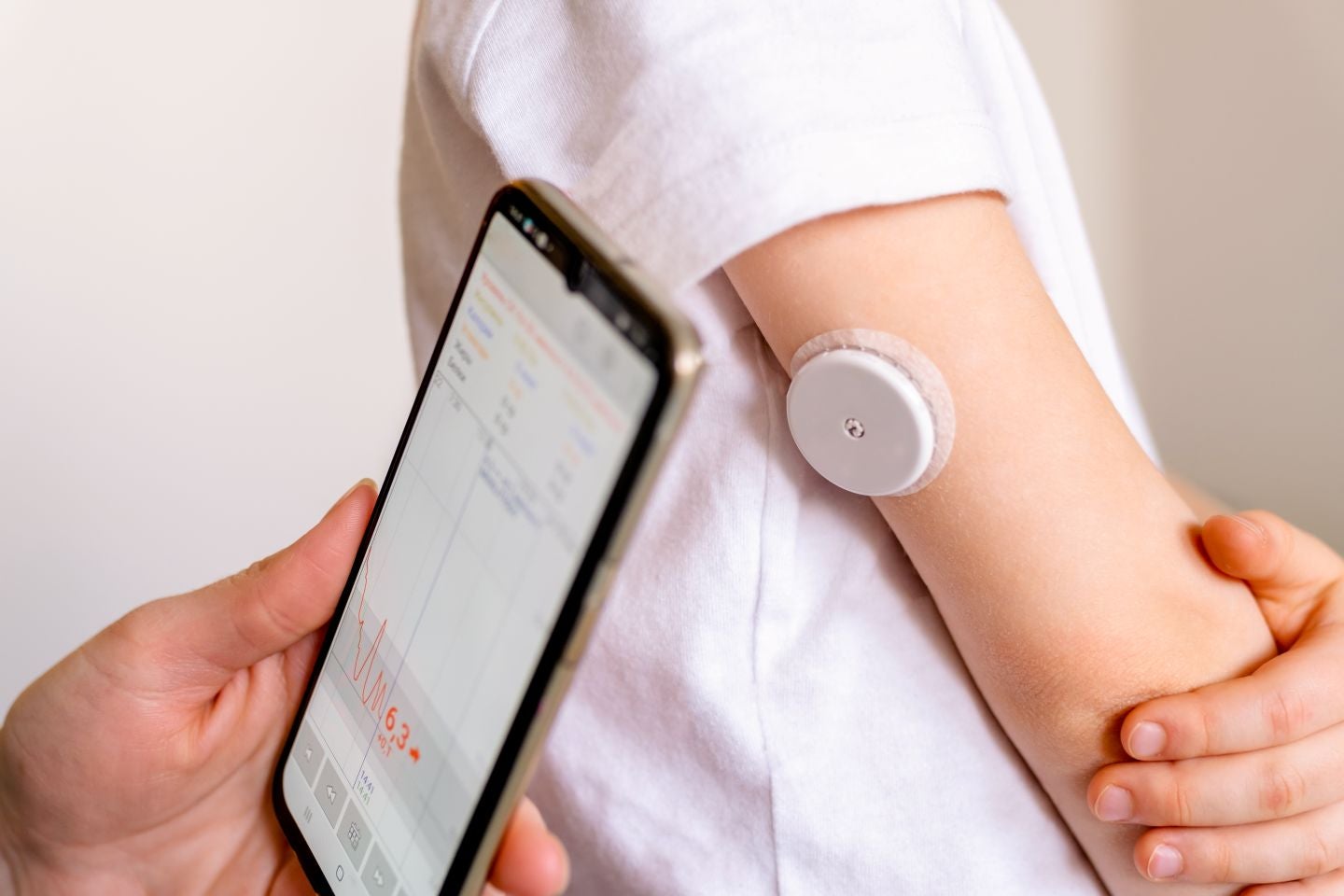
Remote patient monitoring (RPM) employs digital technologies and services to collect, analyse, and transmit patients’ health data to healthcare professionals. Adaptyx Biosciences produces an RPM bio-wearable skin patches that samples biomarkers from interstitial fluid. The company has secured $14m to scale these RPM skin patches and advance the translation of molecular data into clinically actionable insights. The device continuously monitors electrolytes, small molecules, and hormones, feeding the information into an AI platform that interprets the data and generates practical guidance. This capability promises earlier detection of health issues and enables clinicians to intervene before conditions escalate. The majority of specialided RPM is focused on the cardiovascular and diabetes health therapy areas, and vital . As such, Adaptyx is aiming for its skin patch to provide continuous monitoring of patients, not just the snapshots of health that in vitro diagnostics (IVD) test results give. The skin patch is being designed to monitor cardiac biomarkers and offer hormone and metabolite profiling, which will impact people with metabolic disorders and can complement fertility care.
RPM devices such as the skin patch have a lot of promise when coupled with IVD tests as a form of continued patient care. For example, the skin patch can be used to monitor for infectious diseases like chlamydia and HIV, and can be coupled with companion diagnostic treatments in cancer. This allows patients to have a “barely there” device to monitor essential information outside of the hospital, and will allow them to receive updates from their healthcare professionals remotely. RPM devices also allow healthcare professionals to monitor multiple patients simultaneously, thus saving physicians’ time, improving patient care, and reducing readmissions.
Go deeper with GlobalData


Access deeper industry intelligence
Experience unmatched clarity with a single platform that combines unique data, AI, and human expertise.
Expanding RPM to more health areas connects patients more seamlessly to healthcare professionals in between visits and ensures that patients are seen in a timely manner when they need follow-ups. For example, through tracking inflammatory factors, physicians can determine whether or not a patient fighting an infection is responding well to treatment. By pairing minimally invasive RPM with AI‑driven analytics, Adaptyx Biosciences’ skin patch promises earlier detection of clinical deterioration, more personalised treatment pathways, and more efficient use of clinician time. RPM devices such as the skin patch could also help close healthcare’s “data deficit,” keeping patients connected to care between visits and enabling timely interventions that reduce complications. If successfully scaled and integrated into clinical workflows, this technology has the potential to integrate care with episodic IVD testing and proactive, continuous management.

