


The Urocross® Expander System (formerly branded as XFLO) is a novel, temporary implant technology intended to treat lower urinary tract symptoms associated with benign prostatic hyperplasia (BPH) in men aged 45 and older.
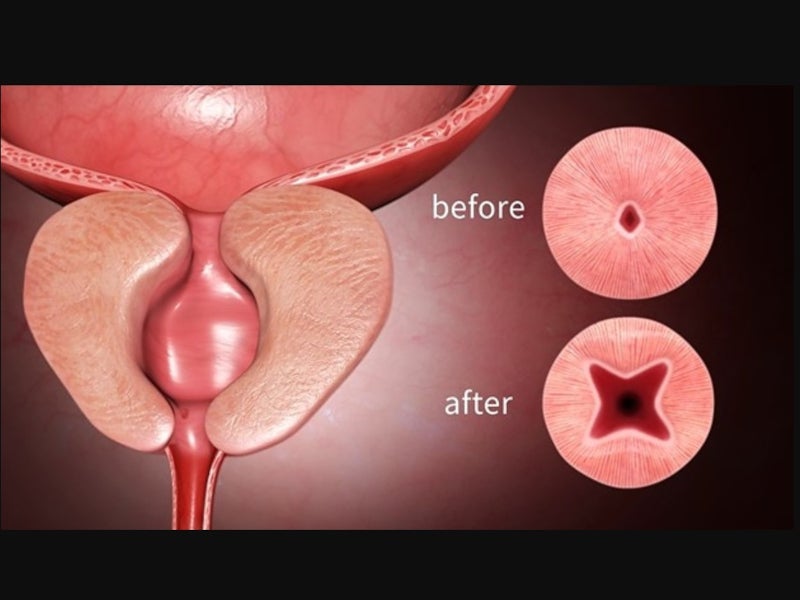
The device is engineered to dilate constricted prostatic urethral tissue, establishing a patent lumen to restore physiological urinary flow.
Recommended Buyers Guides

Developed by Prodeon Medical, the Urocross Expander System received 510(k) clearance from the US Food and Drug Administration (FDA) in March 2026.
The first commercial application was performed at The Hospital at Westlake Medical Center in Austin, Texas, US, in October 2026.
Urocross Expander System design
The Urocross Expander System comprises a single-use, sterile nitinol implant pre-assembled within a dedicated catheter delivery system.
The delivery apparatus is made from standard biocompatible materials, including stainless steel, polyether block amide (Pebax), polyimide, polytetrafluoroethylene (PTFE), polycarbonate, and high-density polyethylene (HDPE).
Supplied in a single configuration measuring 20mm in length and 18mm in diameter, the unit accommodates prostatic urethral lengths between 25mm and 45mm.
The implant is designed to remain in situ for a maximum of six months and can be extracted at any stage during the dwell period.
Urocross implant procedure
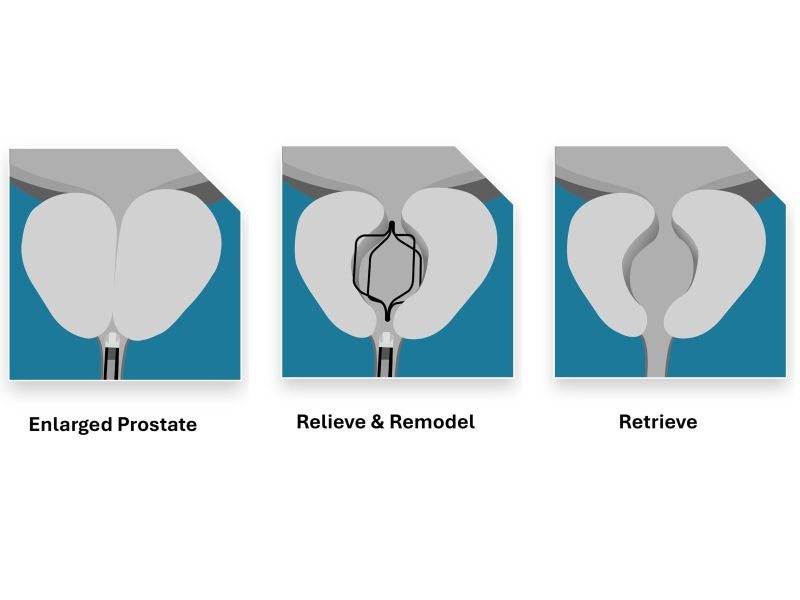
Clinical administration of the Urocross implant occurs via the Prostatic Urethral Remodelling (PURE) procedure, which utilises standard flexible cystoscopy techniques. This approach allows deployment across multiple clinical environments, including hospital outpatient departments and ambulatory surgical centres.
Delivery of the Urocross Expander System is executed through the working channel of a standard flexible or rigid cystoscope under direct visual control.
Once deployed in the prostatic urethra, the implant’s radial force and structural rigidity mechanically displace the lateral lobes. This separation enlarges the urethral lumen to facilitate urine flow and mitigate lower urinary tract symptoms.
At the conclusion of the dwell period, the device is extracted to prevent permanent foreign material retention. Retrieval is performed using the dedicated urethral sheath system in conjunction with standard urological grasping forceps and either flexible or rigid cystoscopes.
Clinical trials on Urocross Expander System
The FDA’s 510(k) clearance of the Urocross Expander System was supported by data from the Expander-1 feasibility study and the Expander-2 pivotal study.
The ongoing Expander-2 is a multi-centre, 2:1 randomised controlled trial involving 240 men aged more than 45 with symptomatic BPH across 23 sites in the US and Canada.
The primary efficacy endpoint was the change in total international prostate symptom score (IPSS) from baseline to three months after the procedure.
In the trial, a 48.1% mean improvement in IPSS was observed at 12 months after implantation, equivalent to six months after implant retrieval. The procedural responder rate was 74.5%, based on the FDA definition of at least a 30% improvement in IPSS at 12 months.
At the time of reporting, no serious adverse events related to the device or procedure had been recorded in the Urocross treatment arm.
The study also reported no cases of new, sustained erectile or ejaculatory dysfunction. Procedure tolerability was reported to be comparable with that of diagnostic flexible cystoscopy.
Lower urinary tract symptoms
Lower urinary tract symptoms attributable to BPH affect approximately 50% of men aged 50 and older, rising to more than 80% among men over 80. Clinical manifestations include urinary frequency, nocturia, hesitancy, urgency, and reduced flow rate.
Existing treatment options carry distinct clinical limitations. Pharmacotherapy is frequently associated with adverse effects, including dizziness, hypotension, and erectile dysfunction, alongside variable or incomplete symptom alleviation.
Surgical intervention, such as transurethral resection of the prostate (TURP) or laser-based procedures, generally provides sustained symptom relief but introduces risks of long-term complications, notably permanent impairment of sexual function.
Other minimally invasive modalities can involve deeper anaesthesia, extensive analgesic requirements, irreversible resection or ablation of prostatic tissue, and the temporary placement of a postoperative urinary catheter.
Left untreated, symptoms often deteriorate, disrupting sleep patterns, impairing bladder function, and diminishing overall quality of life. This progression is driving broader demand for minimally invasive interventions such as the Urocross Expander System, which delivers durable symptom relief without foreclosing future therapeutic alternatives.
