
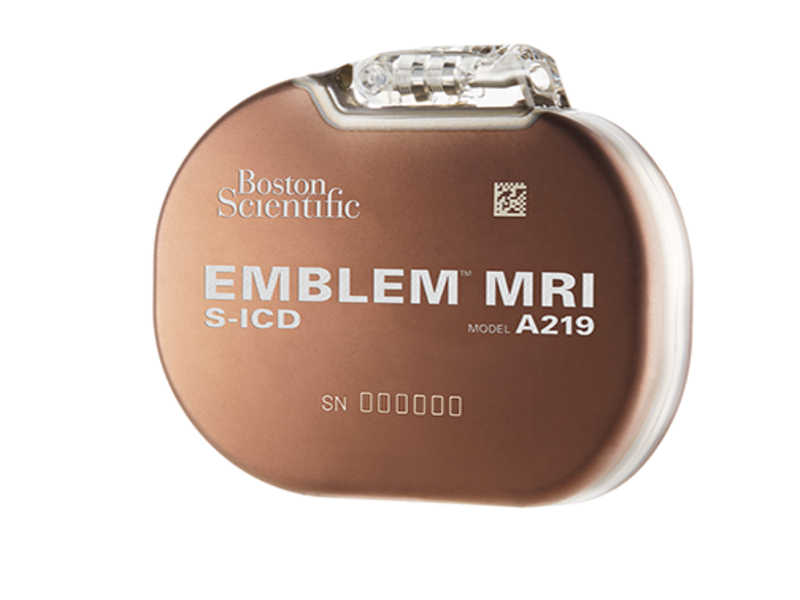
Boston Scientific has issued a hazard alert in Australia about its SQ-RX Model 1010 Pulse Generator in some of the first-generation subcutaneous implantable cardioverter defibrillator (S-ICD) systems.
The alert was issued by the company in consultation with Australia Therapeutic Goods Administration (TGA).
Go deeper with GlobalData


Discover B2B Marketing That Performs
Combine business intelligence and editorial excellence to reach engaged professionals across 36 leading media platforms.
S-ICDs are implantable devices that deliver small electrical impulses to address abnormal heart rhythms.
The medical device company found a shortened replacement interval following a battery depleted (BD) alert or when the battery status is elective replacement indicator (ERI).
TGA said that latent S-ICD battery malfunctions can cause rapid battery depletion and need to be replaced earlier.
Boston Scientific has already alerted cardiologists and surgeons who implanted S-ICDs containing a SQ-RX Model 1010 Pulse Generator. The company has advised that patients experiencing unexpected symptoms or hearing beeping from their implanted device should seek medical attention.
TGA said: “Boston Scientific has written to cardiologists and surgeons who have implanted S-ICDs that use a SQ-RX Model 1010 Pulse Generator, providing further information about this issue including recommendations regarding follow up, evaluating risk and investigating alerts.”
Boston Scientific ceased manufacturing the SQ-RX Model 1010 Pulse Generator, and devices with this battery model are no longer implanted.
TGA further noted that the alert does not cover the company’s Emblem MRI or Emblem S-ICD devices, which are embedded with different pulse generators.
Boston Scientific manufactures a variety of medical devices, including those for heart conditions, patient monitoring, retrieval devices and spinal cord stimulator systems.
In the third quarter of this year, the company recorded a 7.7% year-on-year increase in its sales to $2.393bn. Its cardiac rhythm management portfolio generated $475m during the quarter.


