

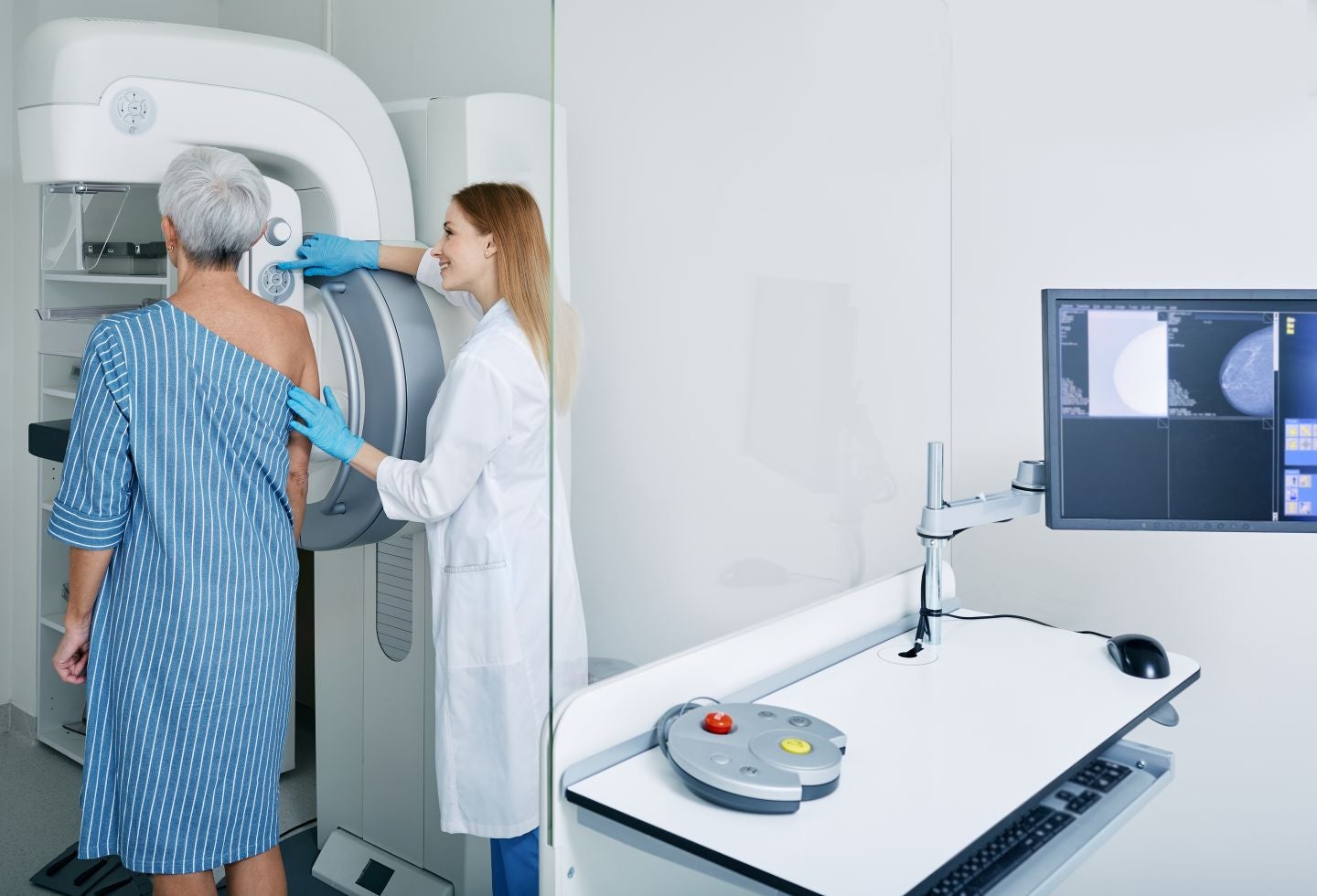
Breast cancer is the most diagnosed cancer in women worldwide. During October, breast cancer awareness month, community outreach should be prioritised to bring awareness to anyone who may be affected by breast cancer. Early detection significantly increases the chances of successful treatment and survival. The stage of the cancer at the time of diagnosis strongly correlates with patient prognosis.
Some risk factors for breast cancer can be reduced, including alcohol use, obesity, and hormone therapy. Others are unchangeable, including age and genetic mutations. Public education can promote risk-reducing behaviours, leading to decreased mortality. Genetic testing can be performed on high-risk individuals to catch cancer early. Access to screening and treatment is uneven across the globe. Low- and middle-income countries and underserved populations in high-income countries tend to have limited access to breast healthcare, which includes mammography, follow-up, and modern therapies. Low access contributes to higher mortality from breast cancer. Mammograms should begin in women aged 40–50 years. Treatment options vary depending on the stage and type of breast cancer.
Go deeper with GlobalData


Access deeper industry intelligence
Experience unmatched clarity with a single platform that combines unique data, AI, and human expertise.
Early stages may be treated with breast-conserving surgery (lumpectomy), where the tumor is removed, rather than a mastectomy, which removes the entire breast. Other treatments include chemotherapy, radiation therapy, and hormonal therapy. Efforts to address access issues should include affordability, infrastructure, transportation, and community outreach.
According to GlobalData market research, mammography equipment is expected to continue to grow in volume, while global average selling price comes down. A decrease in equipment price may allow some underserved communities to acquire these devices over the next several years.

