

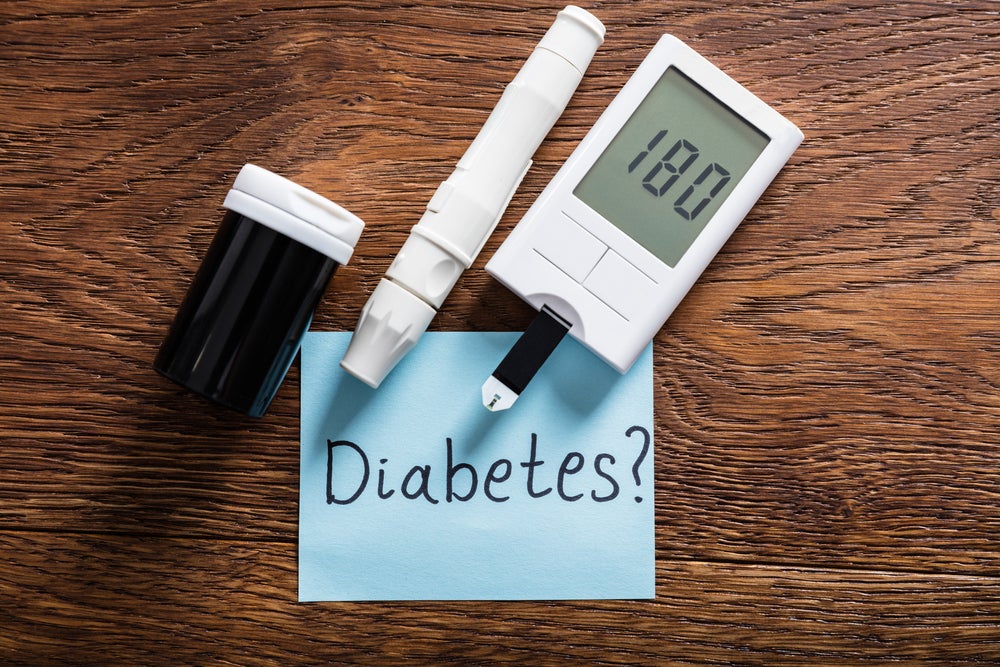
Diabetes continues to pose a major global health challenge, contributing to millions of deaths each year and elevating the risk of serious complications such as cardiovascular disease, kidney failure, vision impairment and lower-limb amputation.
Every November, Diabetes Awareness Month highlights the widespread impact of the condition, focusing on prevalence, risk factors, prevention, management and the burden on healthcare systems. During the month, healthcare organisations, clinicians, patient advocates and policymakers come together to promote early detection, empower self-management, expand access to care and address inequities in health outcomes.
Go deeper with GlobalData


Access deeper industry intelligence
Experience unmatched clarity with a single platform that combines unique data, AI, and human expertise.
Types of diabetes includes type 1 and type 2, prediabetes and gestational diabetes. The most common type is type 2, but diabetes as a whole affects a large and growing share of the global population. Awareness can help focus attention and resources on prevention, timely diagnosis and evidence-based management. Many people with diabetes are undiagnosed, or are diagnosed late. This increases the risk of complications, but screening and risk factor recognition can lead to earlier interventions.
The International Diabetes Federation (IDF) estimated in recent years that roughly 1 in 10 adults worldwide were living with diabetes, with projections rising to more than 700 million by 2045 without effective prevention. A substantial proportion of those with the condition are undiagnosed. The CDC estimates that more than 90 million adults in the US have prediabetes, many of whom are unaware of their condition.
Diabetes awareness can also contribute to improved self-management and clinical care. Devices such as continuous glucose monitors (CGMs) are often critical to diabetes management. CGMs are small, wearable sensors that frequently measure interstitial glucose, sending real-time or intermittently scanned glucose values to displays. Real-time CGMs provide continuous alerts, while intermittently scanned CGMs provide readings upon scanning. CGMs are associated with improved glycaemic control, increased time in range, fewer hypoglycaemia events and a better quality of life for many patients with diabetes.
CGM adoption has grown substantially over the last decade. In higher-income countries, CGMs are increasingly prescribed, but coverage varies by insurer and country. Use is higher among those with type 1 diabetes rather than type 2, but clinical adoption is expanding from type 1 to more insulin-treated type 2 cases and select new indications.
While CGMs are critical for certain patients and can improve the quality of life for those living with diabetes, early detection and understanding of risk factors remain important. Key risk factors include age, obesity, family history of diabetes, sedentary lifestyle and hypertension. Many guidelines recommend screening adults with risk factors and all adults at a certain age for type 2 diabetes and prediabetes using fasting plasma glucose, A1c [a test measuring average blood glucose level over the past two to three months] or oral glucose tolerance testing.
Diabetes Awareness Month is a key reminder to promote early screening, lifestyle interventions and education. Advances in medical technology, such as CGMs, are making it easier to track and manage blood sugar levels, but as we look to the future, continued efforts in awareness and education will be crucial in addressing the growing diabetes epidemic.

