
Non-profit organisation the Good Law Project has been given permission to mount a High Court challenge to the UK government’s decision to award contracts to Abingdon Health to produce rapid antibody tests for Covid-19.
The UK government awarded Abingdon Health £10m in June 2020 for the materials needed to develop the AbC-19 antibody test.
Go deeper with GlobalData


Discover B2B Marketing That Performs
Combine business intelligence and editorial excellence to reach engaged professionals across 36 leading media platforms.
The tests were developed by the UK Rapid Testing Consortium (UK-RTC), a group of manufacturers led by Abingdon Health and assembled by John Bell, regius professor of medicine at the University of Oxford and the government’s life sciences advisor.
This was followed by another contract, awarded without competitive tender in August 2020, for an initial one million tests.
The contract included a provision for the government to buy up to £75m more tests once the device was approved for home use by the Medicines and Healthcare products Regulatory Agency (MHRA).
However, the UK-RTC failed to achieve MHRA approval by its deadline of 25 December 2020.
A November 2020 study by Public Health England estimated at the AbC-19 rapid tests were less accurate than initially thought. Assuming 10% of the tested population had been infected with Covid-19, around one in five testing positive using AbC-19 would be false positives, the research found.
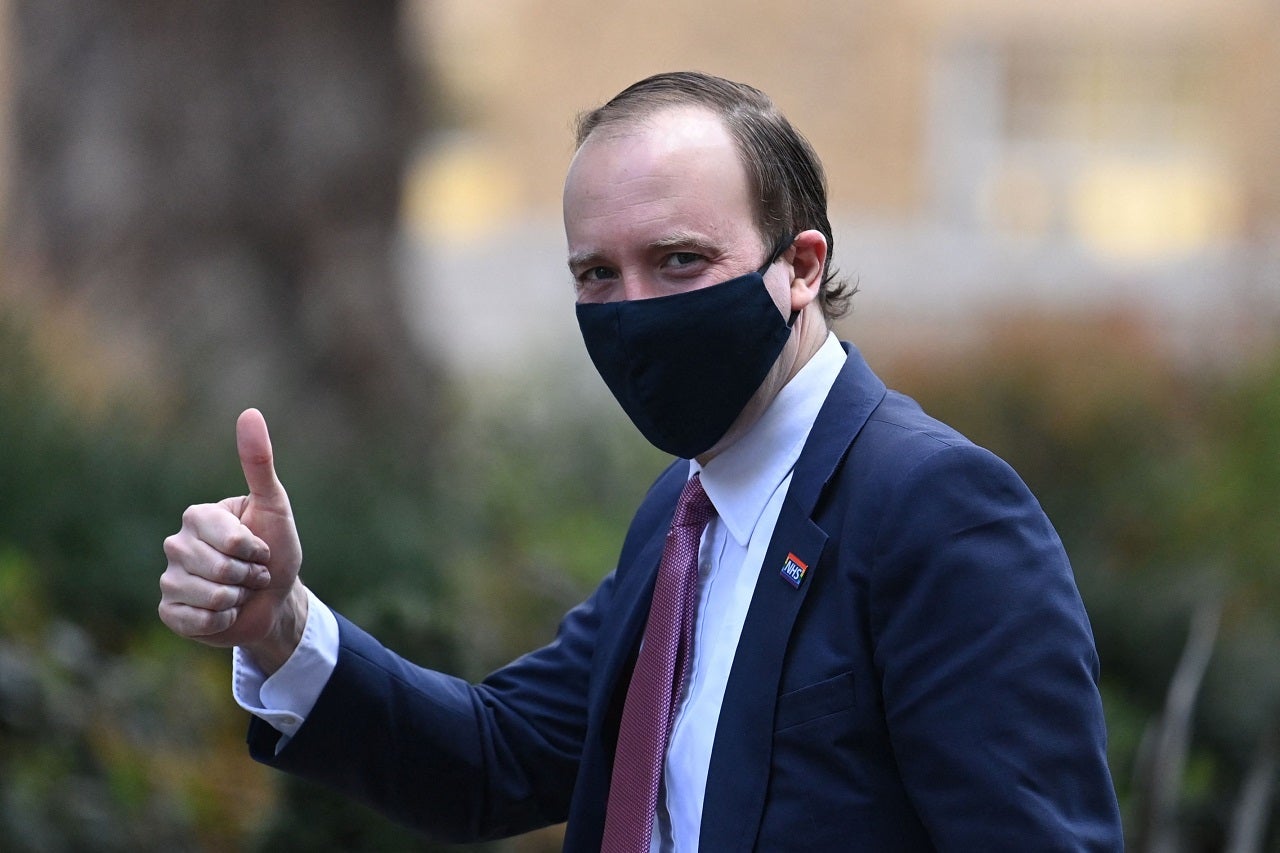
UK Health Secretary Matt Hancock announced in January that the government would be moving to a different procurement strategy and cancelling all outstanding orders with Abingdon Health.
On 3 March, Mrs Justice O’Farrell ruled that the Good Law Project could challenge the government’s contract in court exclusively on the grounds that the award breached equal treatment obligations.
The scope of the challenge has now been widened following review by Mr Justice Waksman.
The Good Law Project now has the go-ahead to argue that: there was bias in the award of the contacts, as Bell was both a government legal advisor and a significant figure in the UK-RTC; that the government unlawfully gave Abingdon Health preferential treatment as a British company; that the decision to award the contracts breached the government’s obligations of equal treatment, transparency, and proportionality; that the contract awards led to unlawful state aid; and that the government acted irrationally when awarding the contracts to Abingdon Health.
The UK government has estimated it will cost around £670,000 to defend the case.
The Good Law Project has so far raised more than £85,000 through crowdfunding and is asking for a cost capping order to limit its liability should it lose the case.
In a public statement, the Good Law Project said: “Until now, Government has refused to engage meaningfully with our case. It was noted several times by the Judge that it was not possible to consider points in detail because of the lack of evidence provided by Government. But the Court’s decision last week means that Government will no longer be able to fob us off. In particular, it will be forced to disclose details of the decision-making process – and the role of Professor Sir John Bell – as part of these proceedings.”
Medical Device Network has approached both Abingdon Health and the University of Oxford for comment.


