
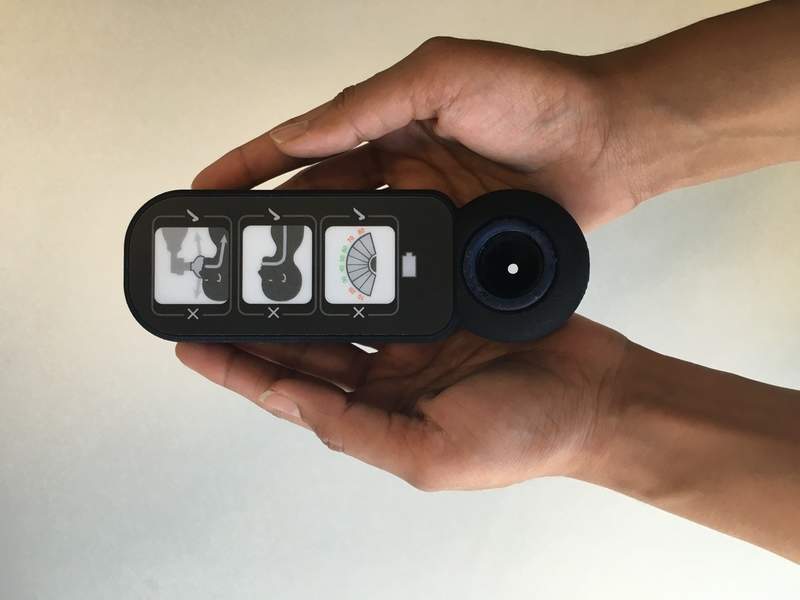
Royal Philips has developed a resuscitation device in collaboration with the Consortium for Affordable Medical Technologies (CAMTech) at Massachusetts General Hospital Global Health to help reduce neonatal mortality.
Referred to as the Augmented Infant Resuscitator (AIR), the new device could be used as an add-on product for standard neonatal bag-valve-mask (BVM) resuscitators used by caregivers to resuscitate asphyxiated newborn babies.
Go deeper with GlobalData


Discover B2B Marketing That Performs
Combine business intelligence and editorial excellence to reach engaged professionals across 36 leading media platforms.
AIR is intended to minimise neonatal mortality primarily in regions with underserved healthcare conditions. The device will initially be launched in limited volume in certain markets and thereafter in low- and middle-income countries.
Royal Philips Therapeutic Care business leader Arman Voskerchyan said: “By combining our expertise in respiratory care and resuscitation with the strengths of global health innovators like the AIR team at CAMTech, we aim to drive and scale innovative solutions that bridge societal divides in healthcare to reach underserved populations, and thereby addressing the United Nations Sustainable Development Goal 3.”
Birth asphyxia causes damage to vital organs in newborns. It is known to result in more than 800,000 neonatal deaths per year.
Phillips said that effective resuscitation can potentially lead to a 30% decrease in such neonatal deaths and a 10% reduction in deaths from prematurity.
AIR works by measuring ventilation flow and pressure in order to monitor the ventilation quality.
The resuscitation device offers visual feedback on common ventilation-related errors such as an inadequate face-mask seal, incorrect ventilation rate, obstructed airways and harsh breaths.
Such errors are said to be associated with permanent neurological injury and death.
The device records performance to enable future feedback and improve the training of healthcare professionals by highlighting persistent gaps in technique.
Initially, the CAMTech team developed the prototype of AIR in 2012. The researchers further developed the device, along with Philips, in 2016.
AIR was assessed in a multi-centre, randomised clinical trial of 270 birth attendants in Uganda and the US CAMTech intends to conduct a separate multi-country trial in India, Uganda and Ghana, and Philips will supply more than 200 engineering samples for this study.


