
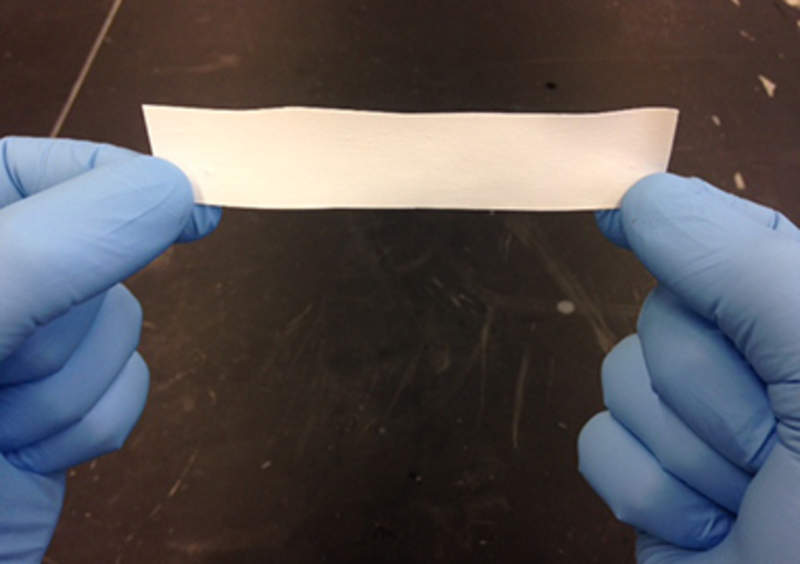
Scientists at the University of Sheffield in the UK have developed a material with similar characteristics to human tissue for use in vaginal mesh procedures, instead of current polypropylene that led to complications in numerous women.
Vaginal mesh procedures are performed to treat pelvic organ prolapse and stress urinary incontinence.
Go deeper with GlobalData


Discover B2B Marketing That Performs
Combine business intelligence and editorial excellence to reach engaged professionals across 36 leading media platforms.
To address the issues with existing material, the researchers turned to a softer and flexible material called polyurethane. They incorporated oestrogen into the new mesh to enable the formation of new blood vessels and accelerate the healing after surgery.
As the polyurethane is more elastic compared to polypropylene, it is said to better withstand the pelvic organs such as the bladder, bowel, and vagina, which all exert pressure on the pelvic floor.
During initial testing, polyurethane was found to be a better material for use as a vaginal mesh, since it did not trigger inflammation and retained its strength and elasticity even after the insertion of oestrogen.
University of Sheffield Materials Science and Engineering department tissue engineering professor Sheila MacNeil said: “In certain procedures, for example, when the polypropylene mesh is used as a thin strip to support the urethra and reduce the symptoms of stress incontinence, the results show it is beneficial to the patient and carries relatively little risk.
“However, when much bigger areas of the same material are inserted through the vagina to relieve pelvic organ prolapse, the complication rate is frankly unacceptable.
“Surgeons who are experts in this area have concluded that there is a need for a new synthetic material that is better suited for use in the pelvic floor.”
MacNeil and her team used electrospinning to generate a fine mesh of polyurethane with layers similar to that of the human tissue structure.
The team expects that when the material is validated in clinical trials and subsequently approved, it can have a positive impact on millions of women undergoing vaginal mesh procedures.


