
The US Food and Drug Administration (FDA) has given approval for US-based ARUP’s AAV5 DetectCDx, a companion diagnostic tool that aids the selection of adult patients eligible for treatment with Roctavian, a new gene therapy developed by BioMarin Pharmaceutical.
Roctavian received contemporaneous FDA approval for the treatment of adults with severe haemophilia A without antibodies to adeno-associated virus serotype 5 (AAV5) detected by an FDA-approved test.
AAV5 DetectCDx, developed by ARUP Laboratories and BioMarin, is the first companion diagnostic immunoassay for a gene therapy product to receive FDA approval. ARUP will act as the sole laboratory testing provider in the US.
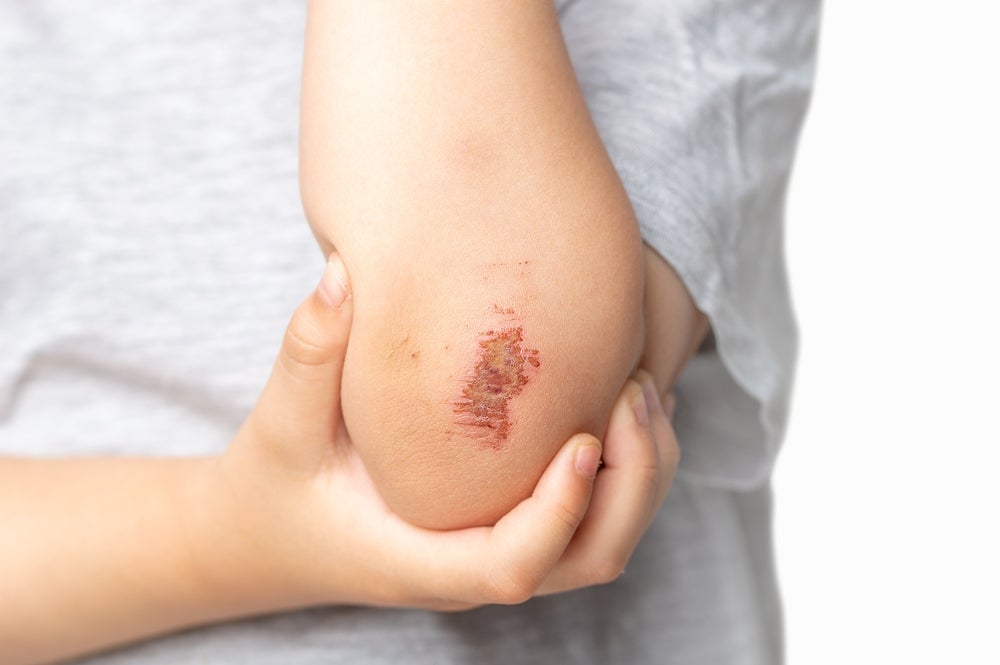
X-linked Haemophilia A, also known as Classic Haemophilia or Factor VIII deficiency, is the most common clotting disorder. Missing or defective factor VIII (FVIII), a clotting protein, means that injured blood vessels cannot heal in the usual way, which can be painful and potentially life-threatening.
Roctavian uses AAV5 as a vector to deliver a functional copy of FVIII in a one-time infusion, which aims to reduce or eliminate the need for chronic prophylaxis treatment.
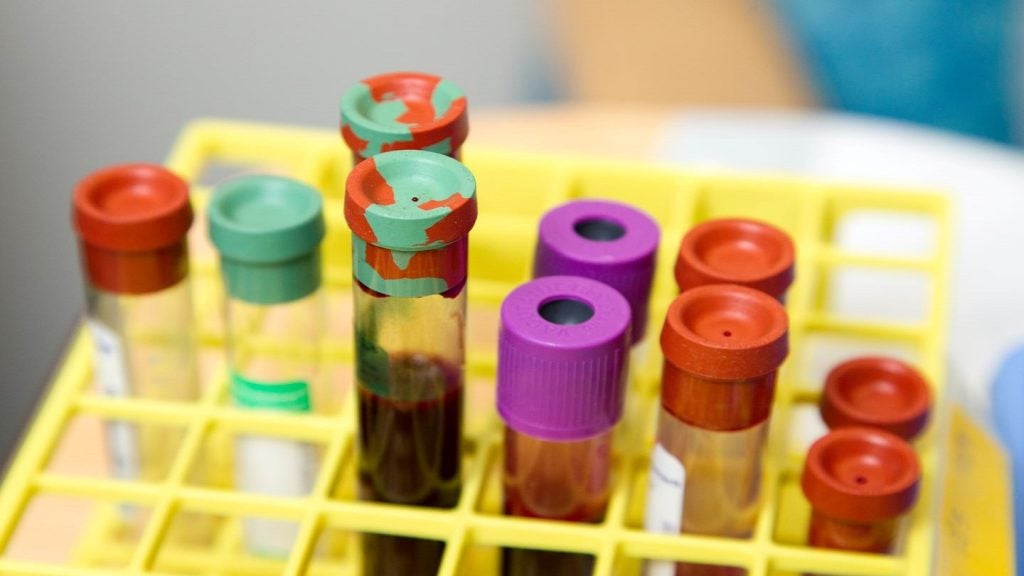
AAV5 DetectCDx will be used to determine whether the patient has anti-AAV5 antibodies, which may inhibit the efficacy of Roctavian. Only those without anti-AAV5 antibodies will be eligible for the gene therapy under FDA approval.
On the collaboration between ARUP and US-based BioMarin, Emily Coonrod, the senior director of companion diagnostics in the PharmaDx department at ARUP Laboratories said: "It is extremely satisfying to see the effort and dedication of both teams come to fruition after a successful and long-standing collaboration, it has required the combined expertise, hard work, and perseverance of both teams to achieve this milestone."
Adeno-associated Virus Vectors (AAV) detection kits are becoming more popular. In November 2022, PerkinElmer introduced AAV detection kits for gene therapy research.
According to a report by GlobalData, the global gene therapy market is expected to reach sales of $15.2 billion by 2028.