
Engineers at the University of Cincinnati (UC) in the US have developed a ‘lab-on-a-chip’ device for measuring the stress hormone cortisol from the saliva of the patient, providing the diagnosis of mental health conditions such as depression and anxiety.
Developed by UC professor Chong Ahn and his team, the device is designed to track cortisol levels, as prolonged elevated cortisol is said to be often associated with mental health disorders.
UC noted that the system comprises a disposable collection device placed in the patient's mouth for saliva. It is then inserted into a reader that claims to transmit outcomes within minutes to a portable analyser and smartphone.
This allows individuals to conduct tests themselves independently and share outcomes with their healthcare providers through their smartphones.
Ahn said: “We’re working on point-of-care testing, which allows patients to do testing at home or in a clinic. People don’t want to go to a lab to get invasive tests. Mental health care can be an urgent situation. And so these tests will help doctors make timely interventions.
“The system uses traditional psychometric evaluations in a questionnaire along with physiological biomarker measurements that provide evidence-based diagnostics. This approach has the potential to open a new realm of diagnostics for stress disorders.”
On the other hand, UC doctoral student Supreeth Setty is expanding on this research by investigating another hormone, dehydroepiandrosterone (DHEA), which balances the effects of cortisol.
Setty’s findings indicate that high cortisol to DHEA ratios could be markers of chronic stress, with conditions such as anxiety and depression.
Moreover, UC researchers noted that their technique can be leveraged for diagnosing other health conditions.
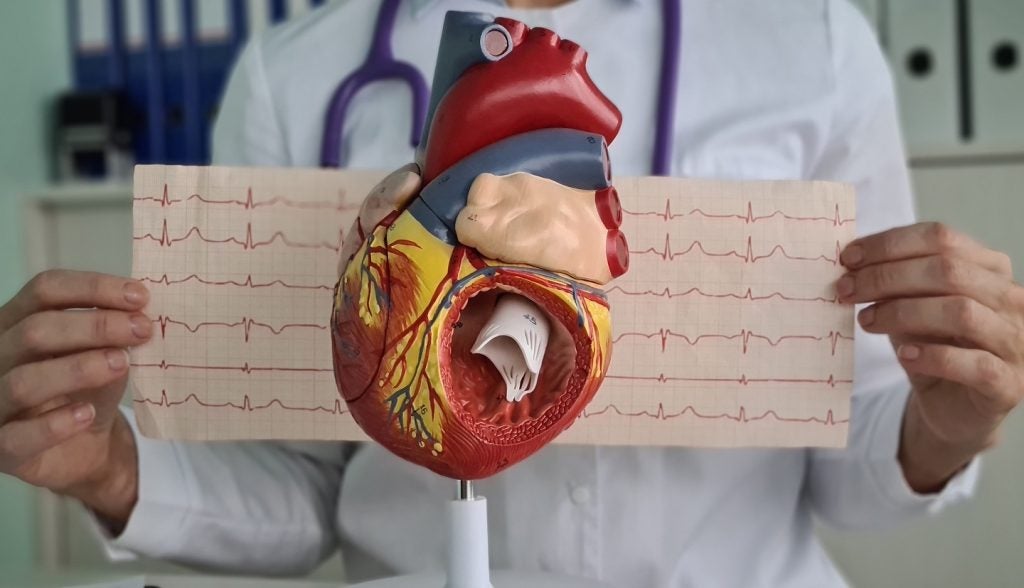
They focused on studying the protein troponin, which enters the bloodstream following heart damage from events such as a heart attack.
This protein release amount is said to correlate with the extent of damage sustained by the heart.
Elevated levels of cardiac troponin, especially when accompanied by symptoms that may suggest an ongoing heart attack, including chest pain.