
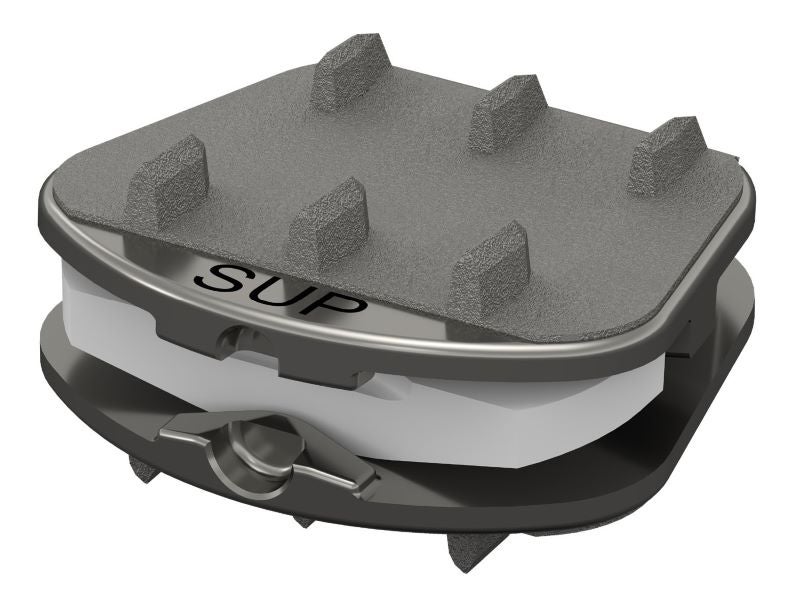
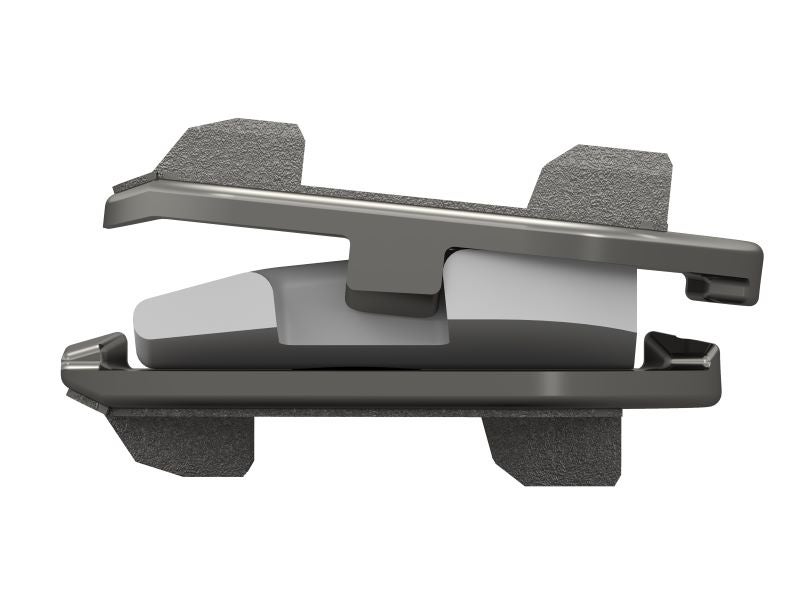
Synergy Disc® is the first and only artificial cervical disc developed by Synergy Spine Solutions for the treatment of degenerative disc disease in the cervical spine.
The device is designed to maintain spinal motion while supporting anatomical alignment, utilising established materials in its construction.
Recommended Buyers Guides

Synergy Disc was granted CE marking in 2013 and is currently available in Australia, Canada, the EU, Malaysia, South Africa, Switzerland, the UK and the US through a network of distribution partners.
In February 2026, Synergy Disc received premarket approval from the US Food and Drug Administration (FDA) for one-level use at C3-C7, based on data from a prospective clinical study conducted in the US under an Investigational Device Exemption (IDE).
Synergy Spine Solutions intends to commence commercial distribution of Synergy Disc in the US in spring 2026. The device is currently authorised for investigational use only in two-level indications.
Synergy Disc design and features
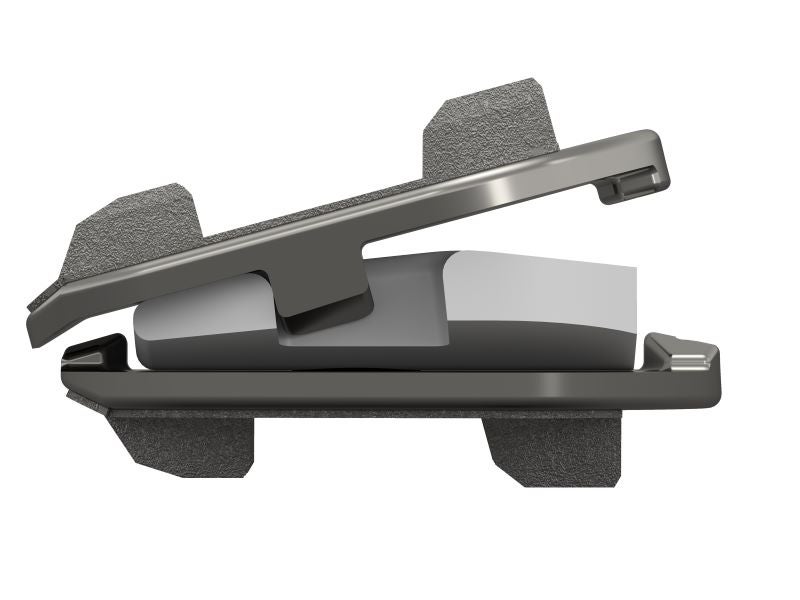
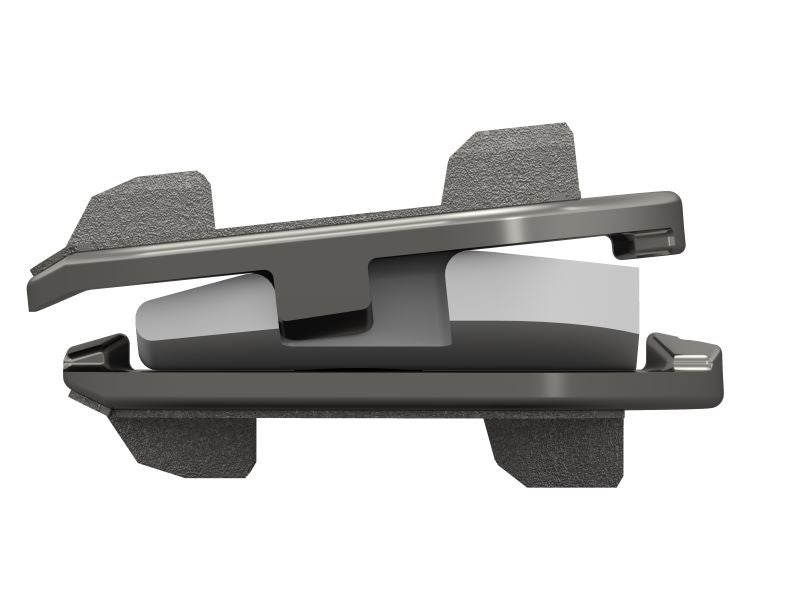
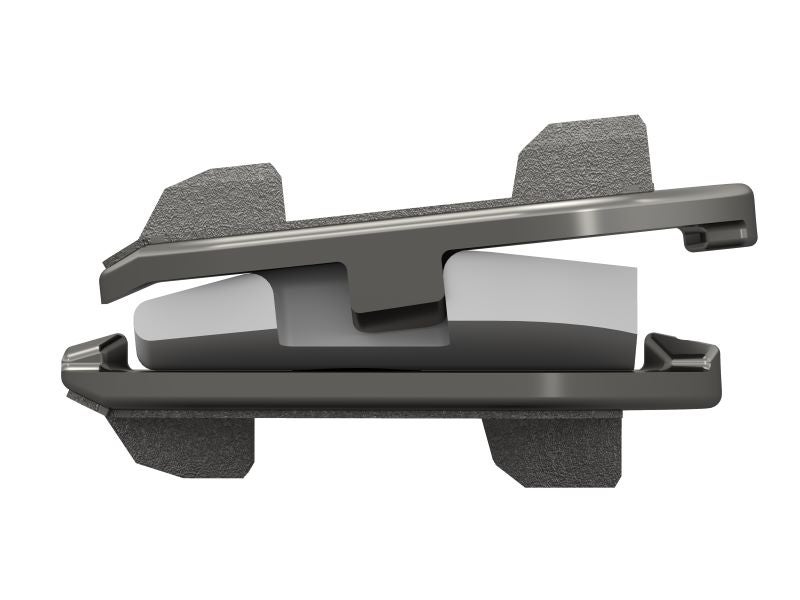
Synergy Disc consists of two nickel-free titanium alloy endplates that enclose a core made from ultra-high molecular weight polyethylene, a dense, medical-grade plastic. This titanium-on-polyethylene articulation features a mobile centre of rotation.
The endplates and the core are designed to move together, supporting the restoration of cervical spine motion.
The top and bottom endplates anchor the device to the adjacent vertebral bone through six self-biting fins. Both the endplates have titanium spray coating to facilitate bone attachment and integration.
Synergy Disc is offered in various sizes to address procedural and patient requirements. It provides focal spinal alignment correction while preserving a full range of motion.
The polyethylene core is available with different degrees of lordotic correction (0° or 6°) to support or enhance sagittal alignment, and the core comes in heights of 5mm and 6mm.
Synergy Disc uses and benefits
Synergy Disc is designed for implantation at a single cervical level (C3 to C7) following the removal of a degenerated cervical disc. It addresses both motion preservation and spinal alignment within one device.
The device’s semi-constrained configuration, featuring built-in safety stops, a defined stability zone and self-engaging fins, helps reduce implant migration and delivers stronger segment-by-segment postural control compared with a conventional ball-and-socket disc.
Developed in collaboration with practising surgeons and utilising established orthopaedic materials, Synergy Disc aims to support consistent surgical outcomes and reliable postoperative imaging.
Artificial cervical disc replacement with this device is intended to alleviate symptoms associated with cervical disc degeneration, such as pain and tingling in the arms, and to help restore natural movement of the neck in multiple directions.
Clinical trials on Synergy Disc
FDA premarket approval of the device was based on data from the one-level Synergy Disc IDE clinical trial (NCT04469231).
The trial evaluated the safety and effectiveness of Synergy Disc in comparison to anterior cervical discectomy and fusion (ACDF) in patients with symptomatic cervical degenerative disc disease at a single level.
The primary endpoint of the study was composite clinical success, along with the type and incidence of adverse events.
The multi-centre, prospective, historically controlled pivotal study involved 175 participants aged between 18 and 70.
The primary endpoint of composite clinical success was reached by 87.1% of patients in the Synergy Disc group, surpassing the rate observed in the fusion group.
For one-level indications at C3-C7, the findings showed that Synergy Disc achieved a higher rate of composite clinical success at 24 months compared to the ACDF control group.
At the two-year mark, 91.7% of patients in the Synergy Disc cohort experienced a clinically meaningful improvement on the Neck Disability Index, compared to 75.2% in the ACDF group.
The average neck pain score was 15.6 in the Synergy Disc® group, lower than the 30.2 reported in the fusion group.
Additionally, patients treated with Synergy Disc reported lower worst arm pain scores (15) compared to those in the fusion group (32.2).
Disc angle in the Synergy Disc group also improved from 2.6° pre-operatively to 6.5° at 24 months. Patient satisfaction was reported at 84.5% in the Synergy Disc group, compared to 61.6% in the fusion cohort.
Additional clinical trials
Synergy Disc is currently under evaluation in a separate IDE study (NCT05740176) in the US to assess whether it is at least as safe and effective as ACDF for the treatment of degenerative cervical disc disease at two contiguous levels between C3 and C7.
This multi-centre, non-randomised, historical-controlled clinical trial has enrolled 200 participants across 24 sites.
All participants in this study have been implanted with Synergy Disc and are undergoing follow-up for at least two years, with study completion anticipated in late 2026.
