

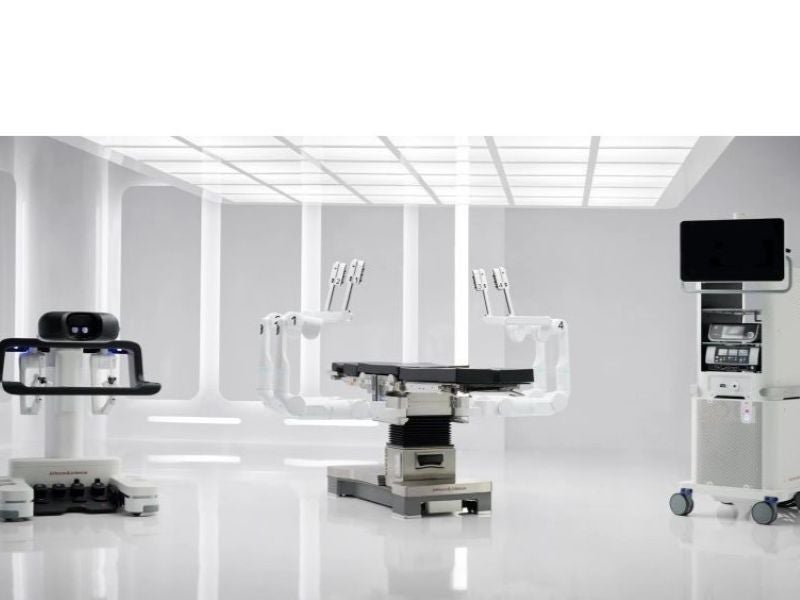
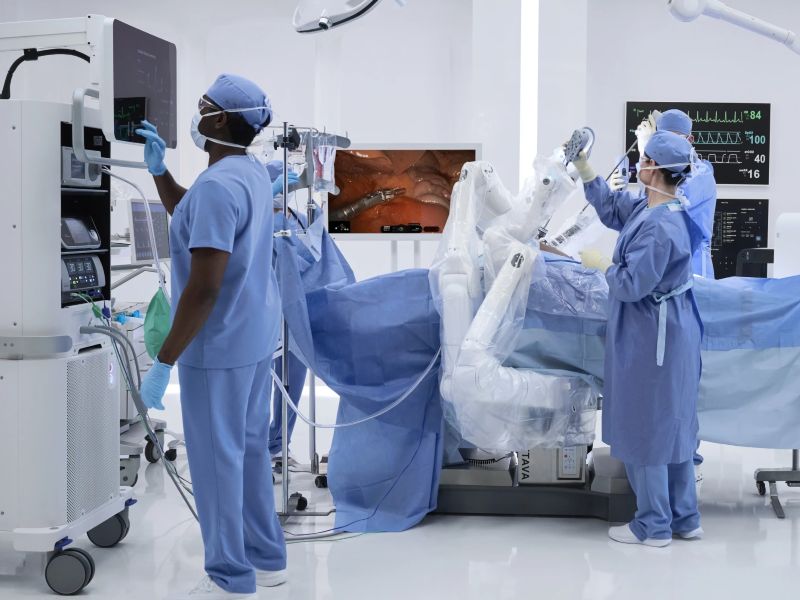
The OTTAVA™ robotic surgical system is described as the first soft tissue robotic platform that is integrated directly into the operating table.
Developed by Johnson & Johnson MedTech, the system is intended for use in soft tissue surgery, enabling more digitally supported, data-informed surgical practice over time.
Recommended White Papers

Recommended Buyers Guides

In July 2026, the system received De Novo marketing authorisation from the US Food and Drug Administration for multiple upper abdominal general surgery indications. These include Roux-en-Y gastric bypass, gastrectomy, cholecystectomy, splenectomy and gastric sleeve procedures, as well as small bowel resection, appendicectomy, lysis of adhesions, fundoplication and repair of hiatal hernia.
Johnson & Johnson developed the OTTAVA education programme to support both new and experienced robotic surgeons. The programme is designed to promote safe implementation and consistent performance through virtual, practical and immersive training formats.
A clinical study is currently under way in the US to evaluate the use of the OTTAVA system in inguinal hernia surgery.
OTTAVA robotic surgical system design and features
OTTAVA is designed as a compact, multi-port soft-tissue robotic platform with a small footprint. It incorporates a distinctive system architecture, automation capabilities, advanced robotic surgical instruments, clinically specialised tools and connectivity to an open digital ecosystem.
The system’s architecture integrates four computer-controlled robotic arms into the operating table, occupying an estimated 30–50% less space than conventional boom or cart-based robotic configurations.
This design seeks to free additional space in the operating room for surgical teams, facilitating staff movement, communication and patient care, and potentially supporting more efficient clinical workflows.
The robotic arms are designed to provide 360-degree access to the patient throughout pre-, intra and post-operative phases. Each arm incorporates nine joints to allow a wide range of motion for different anatomical targets and to help reduce the likelihood of collisions between arms.
A ‘twin motion’ function, which synchronises movements of the table and the robotic arms, is intended to allow patient repositioning and access to multiple abdominal quadrants with limited intraoperative adjustments.
The system’s software coordinates the table-integrated arms and supports automated, pre-set procedural configurations to streamline operating room set-up and shutdown.
The OTTAVA console is designed to support a natural working posture and to help reduce eye and neck strain for surgeons. The control interface is engineered to register and transmit precise surgical movements. Furthermore, user-specific settings can be stored in an individual profile for use at subsequent logins.
OTTAVA instrumentation systems
The OTTAVA instrumentation range has been redesigned to advance commonly used surgical tools.
The OTTAVA two-in-one needle driver incorporates a surgeon-activated cut function, offering distinct “cut only” and “suture only” modes intended to help limit unintentional suture cutting.
The OTTAVA patented monopolar curved scissors are designed to maintain blade alignment to support consistent, complete cutting performance including during sharp dissection when using the distal third of the jaw for smaller tissue bites.
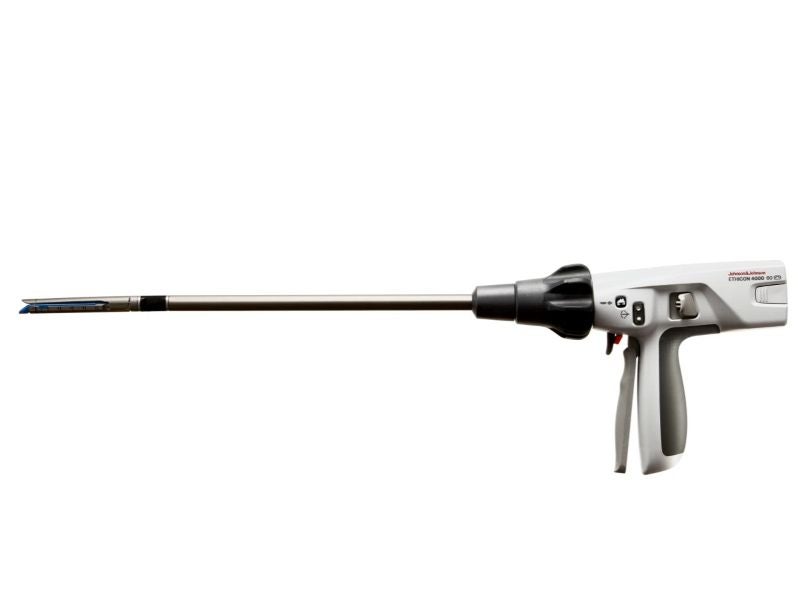
The system also features Ethicon™ 4000 Stapler surgical instrumentation, an advanced surgical stapler.
Polyphonic digital ecosystem
Polyphonic™ for OTTAVA™ is a secure digital platform intended to support surgical teams throughout use of the OTTAVA system by bringing together education, media and data-driven insights to facilitate ongoing improvement across the surgical pathway.
The solution links OTTAVA-derived insights, video, telemetry and procedural data with other information sources along the surgical journey. It is designed to assist onboarding and continuous education through OTTAVA-specific training modules and progress monitoring. The Polyphonic digital ecosystem also enables surgical robotics programmes to capture data securely for potential use in research and development activities.
