
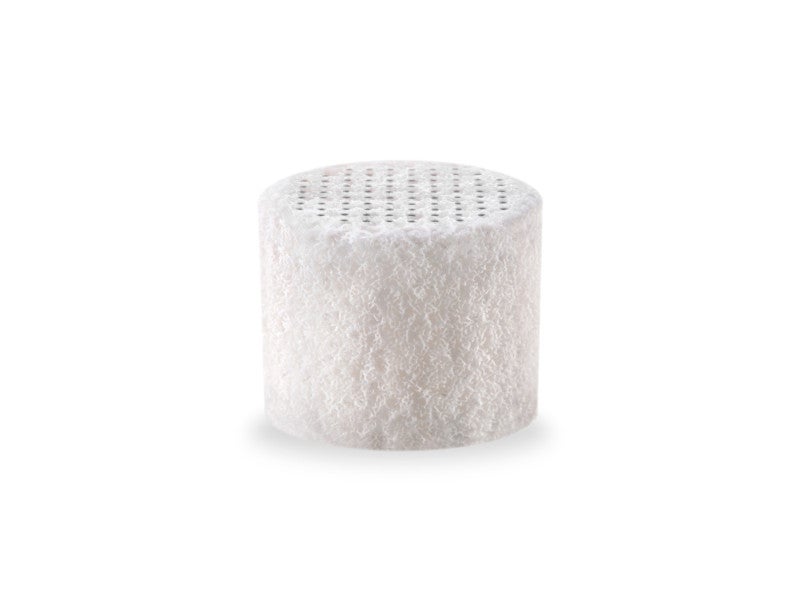
The Agili-C™ implant is indicated for the treatment of knee-joint surface lesions (JSLs). It is the only approved implant that promotes natural articular cartilage and subchondral bone repair.
The implant was originally developed by Israeli medical device company CartiHeal, which was acquired by Smith+Nephew in January 2024.
Recommended Buyers Guides

The American Medical Association’s (AMA) CPT Editorial Panel has assigned a Category I CPT code for procedures utilising the Agili-C implant, scheduled to take effect in January 2027.
Securing a Category I CPT code simplifies the reimbursement process for healthcare providers and insurers, clearing the way for the implant to enter routine clinical care. The designation also indicates that the AMA recognises the procedure’s clinical effectiveness, safety profile, and broad uptake among physicians.
Regulatory approvals of Agili-C implant
The US Food and Drug Administration (FDA) granted premarket approval (PMA) for the implant in March 2022. The medical device also holds breakthrough device designation from the FDA.
The first commercial implantation of Agili-C in the US took place in July 2023. The implant is also commercially available in Puerto Rico.
The implant received a CE mark from the European Commission in 2011 for use in cartilage and osteochondral defects. The implant’s commercial launch in Europe took place in October 2026.
Details of joint surface lesions
Articular cartilage and subchondral bone are the two primary tissues that constitute the knee joint. These tissues work together to provide a load-bearing mechanism that allows the joint to move freely and painlessly.
The subchondral bone of the knee joint is protected by articular cartilage, which absorbs stress, distributes load, and allows for smooth and stable mobility.
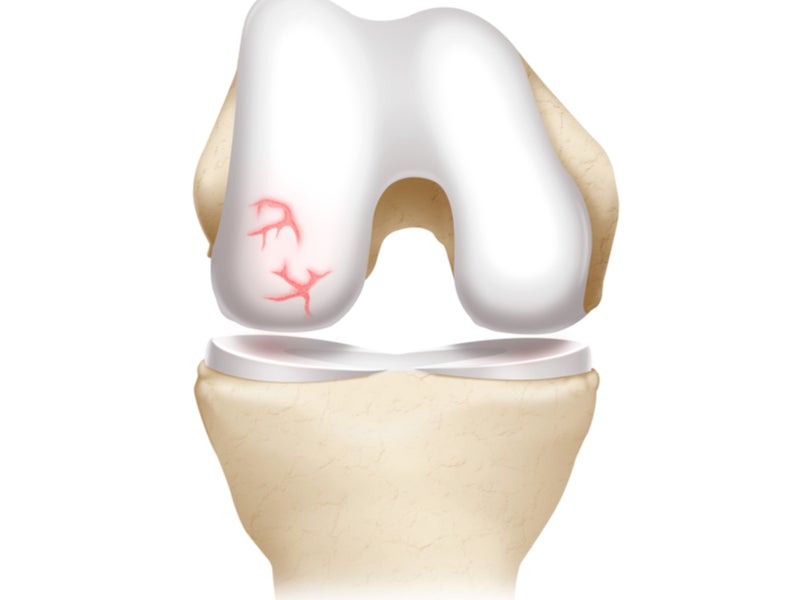
JSLs of the articular cartilage and subchondral bone are a common orthopaedic condition that leads to partial-thickness cartilage defects. JSLs can cause considerable pain and dysfunction of the knee joint and comprise 20% of all arthroscopic procedures.
The condition can lead to further cartilage loss and even osteoarthritis if left untreated, mainly due to the poor self-healing ability of the cartilage.
Features of the Agili-C implant
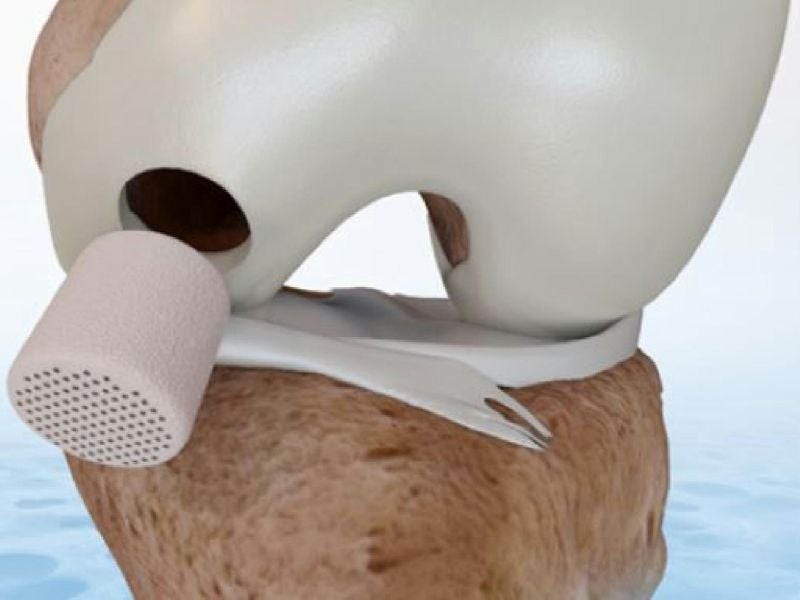
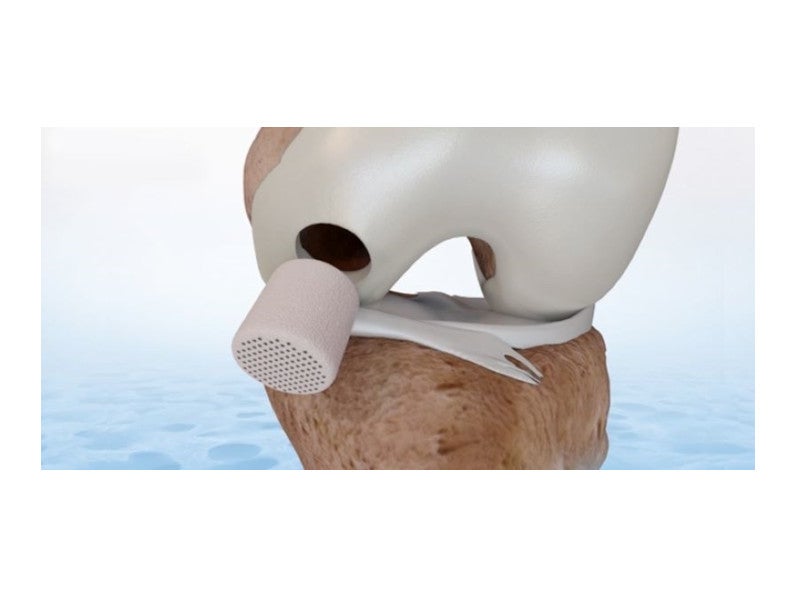
The Agili-C implant is a bi-phasic, porous and resorbable scaffold made from natural calcium carbonate, aragonite, which is derived from coral exoskeleton. It promotes the regeneration of articular cartilage and subchondral bone through a natural process without the use of cells or growth factors.
The implant stimulates the migration of chondrocytes, which are responsible for cartilage formation, into the porous structure of the scaffold with the aim of reproducing the original structure and function of the articular joint.
The Agili-C implant is recommended for the treatment of knee JSLs of International Cartilage Repair Society (ICRS) grade III or above, with a total targeted area of 1cm²-7cm² and without severe osteoarthritis (Kellgren-Lawrence grade 0-3).
Implantation procedure for Agili-C
The implantation procedure starts by identifying the size of the defect, after which a hole is drilled in the affected area. The implant is then pressed into place in the prepared hole. Blood quickly infiltrates the connected scaffold pores following implantation.
Two processes occur simultaneously during implant degradation. The first of these is bone remodelling by osteoclasts and osteoblasts, while the second is new cartilage regeneration by cell adhesion and development of the extracellular matrix of the hyaline cartilage.
Clinical studies on the Agili-C implant
The PMA for the implant was granted based on the results of a two-year multi-centre, randomised, two-arm, open-label IDE clinical trial, which enrolled 251 people at 26 locations across the US, Europe and Israel. The patients enrolled were aged between 21 and 75 years and had up to three JSLs.
The clinical trial compared Agili-C to the Surgical Standard of Care (SSOC), including treatment of lesions using arthroscopic standard procedures such as microfracture and debridement.
The study’s primary endpoint was the change in the average Knee Injury and Osteoarthritis Outcome Score (KOOS) from baseline to 24 months. This comprised five subscales, namely pain, other symptoms, quality of life (QOL), activities of daily living (ADL), and sports. The KOOS Overall Score ranges from zero to 100, with higher values indicating better results.
The study found that the mean of the posterior distribution for changes from baseline to 24 months in the KOOS overall score for patients who were randomised to Agili‑C was 42.65, compared with 21.39 for patients randomised to SSOC.
The results of the study revealed that the implant was superior to the current SSOC after 24 months, with the Bayesian posterior probability of superiority estimated to be 1.00 in the Agili-C arm, exceeding the predetermined superiority threshold of 0.98.
In addition, the study revealed that 88.5% of patients treated with Agili‑C had at least 75% of their cartilage defect filled with new tissue, compared with 30.9% of patients in the SSOC group.
The study’s secondary endpoints were pain, function in daily living and QOL. These confirmed the implant’s superiority over SSOC.
Five-year follow-up results
In April 2026, Smith+Nephew announced the five-year follow-up results of a randomised controlled trial that enrolled a total of 167 patients across eight countries. The patients underwent knee repair with the Agili-C implant, while 84 received SSOC. At five years, follow-up compliance was 88.4% in the implant group and 83.1% in the SSOC group.
The trial’s primary five-year endpoint was the change in overall KOOS. Secondary endpoints included KOOS subscales, the responder rate, which is defined as an improvement of at least 30 points in KOOS, treatment failure, comprising reintervention or intra-articular injection, and safety.
Among patients with mild-to-moderate osteoarthritis, the five-year KOOS responder rate was 74.6% for the Agili‑C implant, compared with 36.2% for SSOC. The study also reported sustained improvements in pain and function, fewer intra-articular injections and reinterventions, and reduced progression to knee replacement or osteotomy in the implant group.
Trial participants receiving the implant reported roughly double the reduction in pain seen in the surgical SSOC cohort. The rate of intervention for total knee arthroplasty or osteotomy was also significantly lower among implant recipients at 1.8%, compared with 9.5% for those treated under SSOC.
