The US Food and Drug Administration (FDA) has approved Sonorous Neurovascular’s investigational device exemption (IDE) application for its venous sinus stent, making it the first company to receive a green light from the agency to evaluate a purpose-built stent for the treatment of pulsatile tinnitus in a pivotal trial.
The California-based company’s BosSTENT, a self-expanding stent designed for the cerebral venous sinuses to treat pulsatile tinnitus caused by venous sinus stenosis, will be evaluated in the B-SILENT 2 trial, with enrolment expected to begin in Q4 2026.
Venous sinus stenosis, which causes blood vessels on the surface of the brain that drain deoxygenated blood and cerebrospinal fluid (CSF) back toward the heart to narrow, is increasingly recognised as the dominant cause of pulsatile tinnitus. While Neuromod Devices’ Lenire is approved in the US for tinnitus, the pulsatile form remains an unaddressed area. There are no devices authorised by the FDA specifically to treat pulsatile tinnitus.
Alongside B-SILENT 2, Sonorous is currently enrolling patients across six sites in France and Canada in the B-SILENT study (NCT07070089), the findings of which will be used in support of securing a CE mark for BosSTENT. Sonorous’ FDA IDE approval follows BosSTENT’s receipt of FDA breakthrough device designation in February 2026.
Sonorous CEO, Joel Harris, commented: "FDA IDE approval represents a major milestone for Sonorous and for our mission to establish a purpose-built treatment for patients suffering from debilitating pulsatile tinnitus caused by venous sinus stenosis.
"Together with our international B-SILENT programme, B-SILENT 2 gives us a clear clinical pathway to generate the evidence needed to bring BosSTENT to patients in the US and other major markets.”
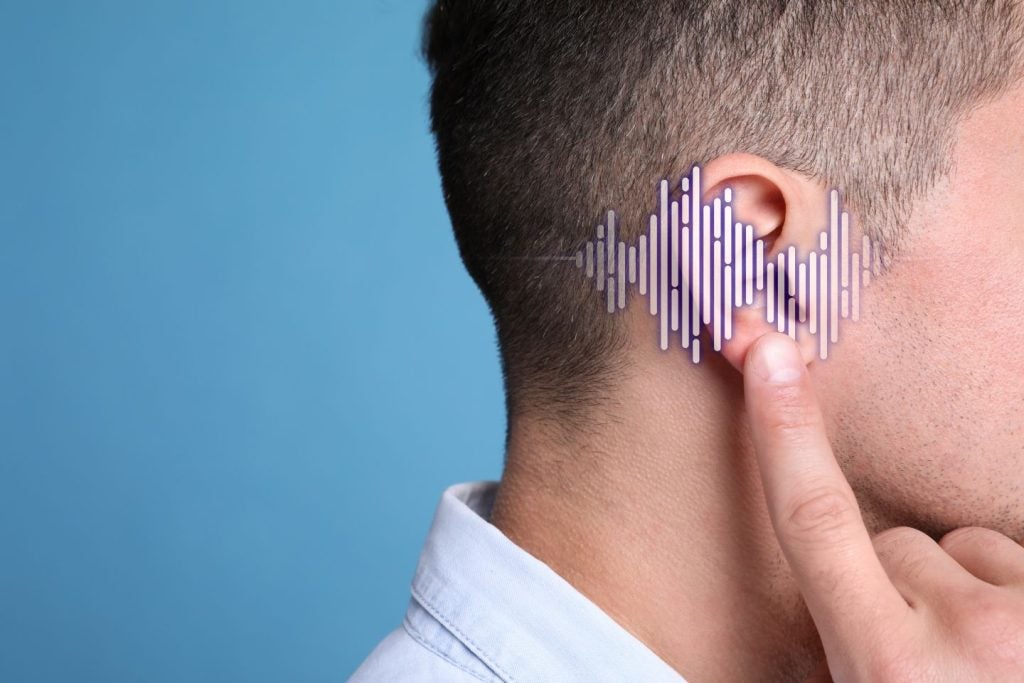
Pulsatile tinnitus causes a rhythmic whooshing or pulsing sound that is synchronised with the heartbeat in affected patients, resulting in quality-of-life diminishments and the exacerbation of depression in almost half of patients, as per Sonorous’ ARISE II consensus, which were findings from a multidisciplinary roundtable published as a paper in the American Journal of Neuroradiology in July 2026.
Dr Emanuele Orru of Lahey Hospital & Medical Center, who was co-principal investigator of B-SILENT 2, commented: "This study is an important opportunity to evaluate a device designed specifically for the venous sinus and to establish a more rigorous framework for patient selection and treatment of venous pulsatile tinnitus."