
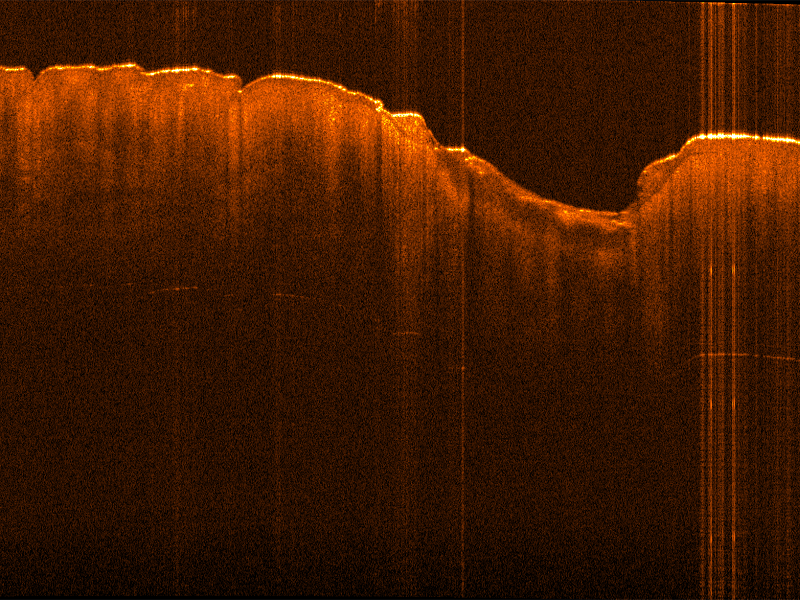
Researchers at Heriot-Watt University in Edinburgh, Scotland are developing smart sensors which can monitor the healing progress of a wound, eliminating the need to look underneath a bandage.
The sensors detect wound healing by monitoring microscale changes in the body’s tissue. The research group, led by Heriot-Watt assistant professor Dr Michael Crichton, has been awarded £360,000 from the Engineering and Physical Sciences Research Council.
Go deeper with GlobalData


Discover B2B Marketing That Performs
Combine business intelligence and editorial excellence to reach engaged professionals across 36 leading media platforms.
Research in the field has traditionally focused on the biological properties of wounds but knowledge about the mechanics of how they heal is limited, especially at the microscale where changes happen at sub-hair width scales.
Crichton and his team intend for the final form of the sensor to be embeddable within a bandage to measure changes in a wound’s properties without interfering with the process, making small mechanical measurements to see how the tissue is changing. This could help give a much clearer view of whether the wound needs a different dressing or treatment than pain reports and naked-eye examinations.
The new method revolves around testing how sound moves through the tissue. The sensors are being designed to transmit and receive sound, measuring how quickly the waves travel through the wounded tissue below the bandage. The speed at which the sound is transmitted will give clinicians an understanding of the tissue strength, and how healed the wound is.
Crichton said: “Our smart sensor will alert the patient and their care team when intervention is needed to make sure the wound heals better, or when it is all progressing nicely under the bandage.”
The research is currently focused on how skin wounds heal, but the research team believe their findings could be applied to other tissues and organs, such as monitoring liver and kidney damage or certain cancers.
Crichton said: “Some tissues and organs have the same structural components as skin, so researchers and practitioners in those areas are likely to take a great interest in our project.”


