
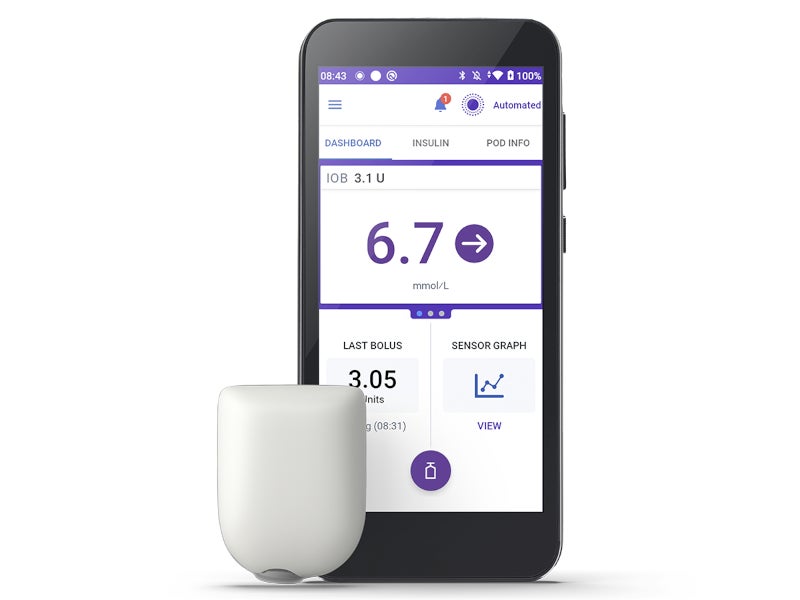

Omnipod® 5 is the first tubeless automated insulin delivery (AID) system with smartphone control for the management of type 1 diabetes mellitus. The device is compatible with multiple continuous glucose monitoring (CGM) sensor brands.
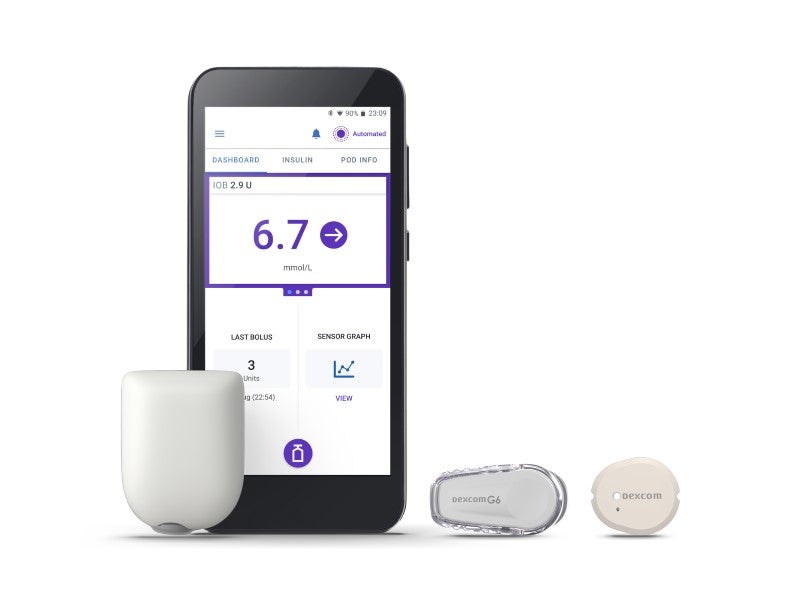
Developed by Insulet, the system can integrate with the Dexcom G6® CGM sensor and the Dexcom G7 CGM sensor to continuously deliver insulin for three days automatically, regulating insulin and preventing abrupt changes in glucose levels.
Recommended Buyers Guides

The Omnipod 5 AID system provides diabetics with a new approach to glucose management that does not involve multiple daily injections, tubes or fingersticks, and optimises time in range.
The system is currently available in 19 countries including the US, UK, Australia, Canada and the United Arab Emirates.
In March 2026, Insulet announced a voluntary recall of certain batches of Omnipod 5 pods, following the detection of a small tear in the internal insulin-delivery tubing. Due to this, insulin may escape into the pod rather than being properly administered to the user, which could result in a lower-than-intended dose being delivered and lead to sustained high blood glucose.
The company stated that it has received 18 serious adverse event reports linked to elevated blood glucose, including cases requiring hospital admission and incidents of diabetic ketoacidosis, although no fatalities have been reported.
After completing its investigation, Insulet has introduced enhancements to its manufacturing procedures and quality assurance measures to improve identification and prevention, and to reinforce overall product integrity.
The company stated that the pods covered by this corrective action account for around 1.5% of global annual Omnipod 5 pod output.
Regulatory approvals for Omnipod 5
The US Food and Drug Administration (FDA) cleared the Omnipod 5 AID system for individuals aged six years and older with type 1 diabetes in January 2022. It expanded the clearance to include people aged two and older with type 1 diabetes in August 2022. The system also holds an FDA breakthrough therapy designation.
In September 2022, Insulet received the Conformité Européene (CE) mark under the European Medical Device Regulation for Omnipod 5 for individuals aged two years and above with type 1 diabetes.
The company received FDA 510(k) clearance for the Omnipod 5 app for iPhone in October 2023.
The company received CE approval in Europe for the additional compatibility of the Abbott FreeStyle Libre® 2 Plus sensor with Omnipod 5 for the condition in February 2024.
In December 2025, Insulet received FDA 510(k) clearance for significant enhancements to the Omnipod 5 AID algorithm, including a new 100mg/decilitre (dL) glucose target and a more continuous automated experience.
The new 100mg/dL target glucose expands Omnipod 5’s customisation range to six settings between 100 and 150mg/dL in 10mg/dL increments. In addition, the upgraded Omnipod 5 algorithm helps users stay in automated mode with fewer interruptions, even during prolonged high glucose events.
Details of Omnipod 5 AID system
Omnipod 5 is a state-of-the-art AID system containing a small, wearable, waterproof and tubeless pod with SmartAdjust™ technology, Dexcom G6 CGM and the Omnipod 5 mobile app integrated with SmartBolus Calculator.
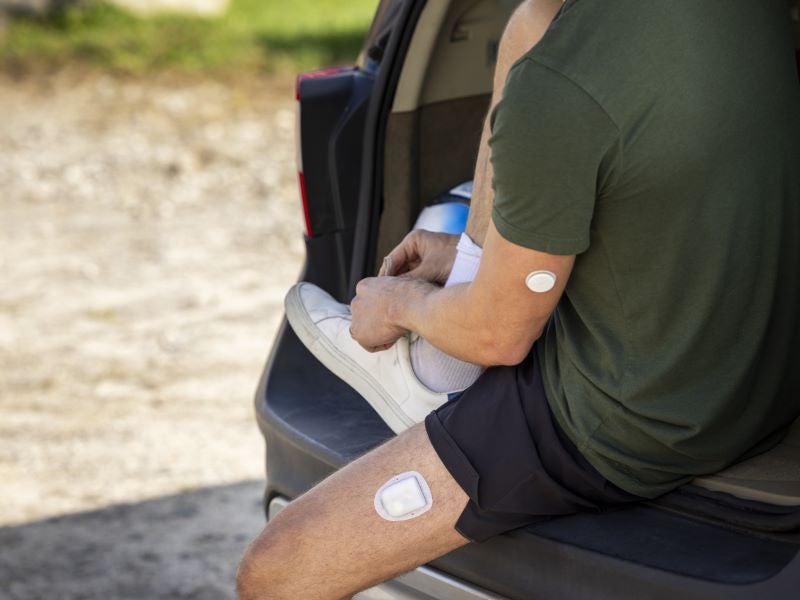
The pod comes with an adhesive pad that fits firmly anywhere on the patient’s body and communicates wirelessly with the Dexcom G6 CGM system.
The Dexcom G6 CGM system delivers glucose readings to SmartAdjust every five minutes, allowing the pod to automatically adjust insulin administration for up to three days, or 72 hours, and predict glucose levels for the next 60 minutes. The built-in SmartBolus Calculator incorporates the CGM data and the trend of the patient automatically, preventing the need for manual updates.
The Omnipod 5 app takes complete control of the Pod. The user can either download the app onto a compatible personal smartphone or use the free Omnipop 5 Controller, which comes with the first prescription at no further cost.
Omnipod 5 SmartAdjust technology
The SmartAdjust technology integrated into the pod proactively adjusts insulin administration based on the customised glucose target, which can range from 110mg/dL to 150mg/dL in 10mg/dL increments.
The system increases, decreases or pauses automatic insulin administration based on the user’s desired and customised glucose target. Users should always keep the controller or smartphone in a location where they can hear alerts or notifications from the Omnipod 5 app.
Benefits of the Omnipod 5 AID system
Omnipod 5 improves adherence, outcomes and differentiation throughout the life cycle of a drug.
The system offers smarter continuous drug delivery, as well as automated dosing within therapeutic windows. It offers competitive differentiation with improved convenience and adherence, as well as consistent and accurate dosage. It is designed to satisfy the specific requirements of an anti-diabetic drug.
It allows for the customisation of complicated dosing regimens and benefits payers through better therapeutic outcomes.
Clinical trials on Omnipod 5 AID system
The safety and effectiveness of the Omnipod 5 AID system were studied in a multi-centre, 12-month clinical trial that enrolled type 1 diabetes patients aged between six and 70 years. The clinical trial included a three-month pivotal study, followed by an extension study.
The primary endpoints of the trial were changes in the blood glucose levels (HbA1c), time in range (TIR) (70–180mg/dL) and the occurrence of severe hypoglycaemia.
After the completion of the three-month pivotal trial, 95% of patients opted to continue the use of Omnipod 5 in the extension study.
In the pivotal trial, adults and adolescents achieved a decline in blood glucose from 7.2% to 6.8%, which was maintained post 12 months of use. TIR increased during the first three months of use from 63.6% to 73.8% and continued at 72.7% in months ten to 12 of use.
In children, blood glucose levels declined from 7.7% to 7% after using the system for three months, and the decline was maintained after 12 months of system use, with mean HbA1c remaining at 7%. TIR increased from 52.4% to 67.9% during the first three months of use and continued at 66.8% in months ten to 12 of use.
Omnipod 5 was found to be safe and effective when used in automatic mode at home for three months by adults, adolescents and children aged above six years.
The clinical study results showed a trifecta of clinical outcomes, including a reduction in HbA1c, improved TIR and a very low occurrence of hypoglycaemia.
Additional clinical trials details
The SECURE-T2D pivotal trial assessed the impact of AID in adults with type 2 diabetes requiring insulin. Results showed that using Omnipod 5 led to significant glycaemic improvements compared to prior treatments with insulin injections or pump therapy.
Key findings included notable reductions in HbA1c, time in hyperglycaemia and total daily insulin dose, along with a significant improvement in time in range without increasing time in hypoglycaemia.
The trial also demonstrated a clinically meaningful reduction in diabetes distress. Specifically, the mean HbA1c decreased from 8.2% to 7.4%, with participants who had a baseline HbA1c of greater than or equal to 9% experiencing a reduction of 2.1%.
In 2025, Insulet completed the RADIANT study in the UK, France and Belgium. The study represents the first randomised controlled trial to investigate a straight switch from multiple daily injections (MDI) to an AID system in both adults and paediatric patients with type 1 diabetes.
RADIANT is also the first study to examine the safety and clinical performance of an AID system used in combination with a sensor from the Abbott FreeStyle Libre 2 family.
The trial enrolled 188 individuals aged between four and 70 years with type 1 diabetes and baseline HbA1c readings ranging from 7.5% to 11%. All participants had been managed on MDI alongside CGM for a minimum of three months before entering the study.
Participants were allocated at random to either start using the Omnipod 5 AID system or remain on standard care with MDI plus CGM for three months. Mean HbA1c at enrolment was 8.1%.
At three months, the Omnipod 5 group achieved an average HbA1c reduction that was 0.8% greater than the MDI-plus-CGM group, bringing average HbA1c down to 7.2%. Among those who entered the trial with HbA1c above 8%, the relative improvement versus MDI plus CGM was larger, at 1%.
