
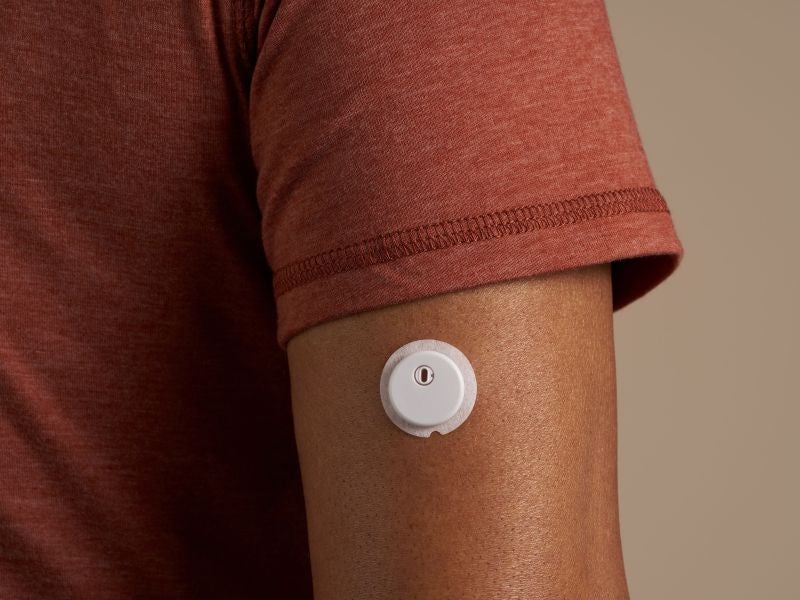
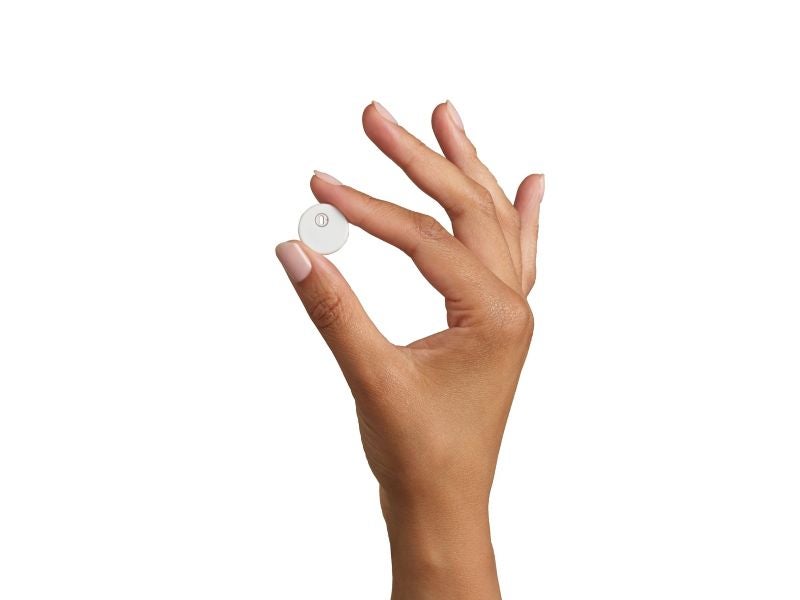
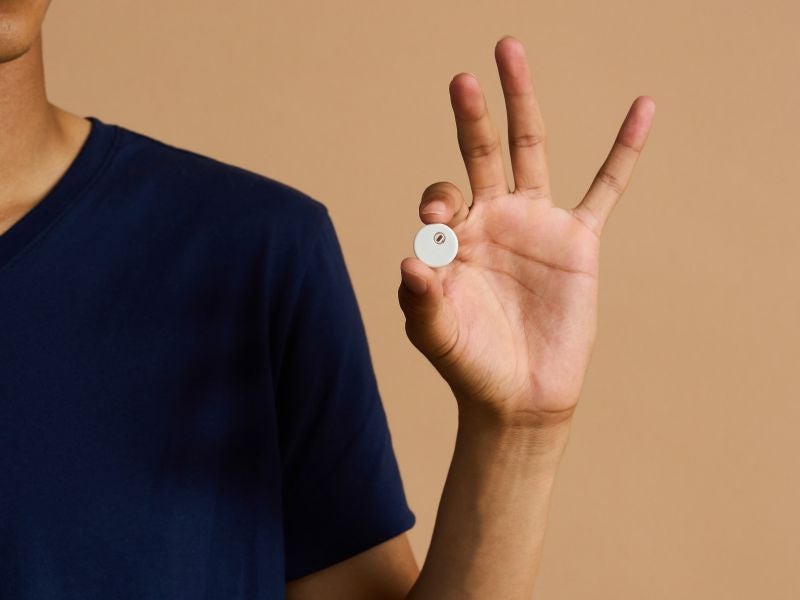
The Libre DUO 10 Day system is an integrated continuous glucose and ketone monitoring (iCGK) system indicated for use in diabetes management in individuals aged two years and above.
Developed by Abbott, the two-in-one device provides real-time glucose readings for day-to-day diabetes management, while simultaneously monitoring ketone (beta‑hydroxybutyrate) concentrations in the background, without requiring additional user effort.
Recommended White Papers
Recommended Buyers Guides

Libre Duo 10 Day is intended for people considered at higher risk of elevated ketone levels that can lead to diabetic ketoacidosis (DKA), a serious health complication for people with diabetes, including individuals with Type 1 or Type 2 diabetes who use insulin or other glucose-lowering therapies such as sodium-glucose cotransporter 2 (SGLT2) inhibitors.
Regulatory approvals
The Libre DUO 10 Day system obtained the CE mark in Europe in May 2026.
The US Food and Drug Administration (FDA) granted De Novo authorisation for the device in August 2026. The FDA previously granted breakthrough device designation for the system.
Libre DUO 10 Day is the first system to satisfy both the FDA’s integrated continuous glucose monitoring (iCGM) criteria and the agency’s new iCGK criteria, which introduce a formal US standard for continuous ketone monitoring.
Abbott intends to introduce Libre DUO 10 Day in the US and in selected European markets later this year.
Libre Duo 10 Day details
The Libre Duo 10 Day system is described as the first-of-its-kind wearable device to incorporate dual glucose‑ketone sensing technology, providing continuous measurement of both ketone and glucose levels in interstitial fluid located just beneath the skin.
The system comprises a glucose-ketone sensor, a transmitter and a main receiving unit. Integrated software processes sensor readings to derive glucose and ketone measurements. The sensor is designed to be worn for up to ten days and can be self-administered at home.
Patients keeping track of ketones rely on separate blood or urine tests that deliver only a one-off snapshot, making it difficult to know whether levels are increasing or decreasing over time. The Libre Duo 10 Day is designed to overcome this limitation by continuously monitoring both ketone and glucose, taking measurements every minute around the clock.
The system transmits ketone and glucose readings wirelessly to a compatible smartphone, provides automatic alerts when values cross predefined thresholds and supports the recognition of hyperglycaemic, hypoglycaemic and hyperketonaemic events.
The device could support patients and caregivers in identifying rising ketones before DKA escalates into an emergency. It can also help fine-tune treatment decisions for both immediate needs and longer-term management.
The Libre Duo 10 Day system operates with Abbott’s latest generation FreeStyle Libre CGM mobile application and is designed to connect with the wider Libre digital health ecosystem, including the LibreView platform for healthcare professionals and the LibreLinkUp app for caregivers.
Clinical studies on Libre Duo 10 Day system
The FDA approval of the system was based on data from six studies involving more than 600 participants aged two and above. The studies examined how well the device measured ketones and glucose across a broad spectrum of concentrations.
Findings showed the system reliably detected clinically relevant changes in ketone levels throughout its ten‑day wear duration, including flagging rising ketones ahead of the development of diabetic ketoacidosis.
Integration with insulin pumps
Abbott is collaborating with leading insulin pump manufacturers to integrate the Libre Duo 10 Day system’s sensors into automated insulin delivery (AID) platforms.
The company anticipates that the system will be compatible with Beta Bionics’ iLet and Sequel Med Tech’s twiist AID systems by the end of this year, and with pump technologies from Insulet, Tandem and Ypsomed in 2027.
In addition, Abbott and MiniMed are working on an exclusive integration that will link Abbott-produced dual glucose-ketone sensors with MiniMed smart dosing systems, with availability also targeted for 2027.
Diabetic ketoacidosis (DKA)
DKA is the most frequently occurring hyperglycaemic emergency among people with diabetes. In the US, hospital admissions for DKA have risen by 55% over the past decade.
DKA can develop rapidly when the body lacks sufficient insulin and begins to break down fat for energy, leading to a build-up of ketones in the blood to potentially hazardous levels. The American Diabetes Association reports that DKA can progress within hours and, if not treated, may result in coma or death. Clinical guidelines recommend ketone testing during intercurrent illness or periods of sustained hyperglycaemia. Early symptoms of increasing ketone levels are frequently confused with common infections, which can delay recognition and treatment.
