Reducing Adhesion of Proteins in Medical Diagnostic Equipment with Dursan
There are many industries that protein adhesion to a surface can affect, including food, marine, and medical industries.

SilcoTek supplies chemical vapour deposition (CVD) coatings designed to minimise flow path interference to ensure accuracy.

You have successfully submitted your enquiry. Someone from our company will respond ASAP
SilcoTek provides coatings applied using chemical vapour deposition (CVD). Our patented coating technologies are suitable for the laboratory, plant or field and are designed to provide advanced surface solutions that typical materials or coatings cannot.
We aim to provide game-changing coatings for our customers and have them see the SilcoTek difference in every order they place. Our technology was born in the chromatography lab for lowering detection limits in instrumentation, but it is now used in various markets, including medical device applications.
SilcoTek’s ZIP Code guides the conduct that our employees follow each day to create a culture of success for the brand and its customers. We aim to create zero disappointments, demonstrate integrity in all we do and provide a Plus One Customer Service.
SilcoTek CVD technologies create a non-reactive surface that prevents test samples from interacting with the stainless steel, glass and ceramic flow path surfaces. The inert coating, Dursan®, improves corrosion resistance and prevents proteins binding to the sample flow path surface.
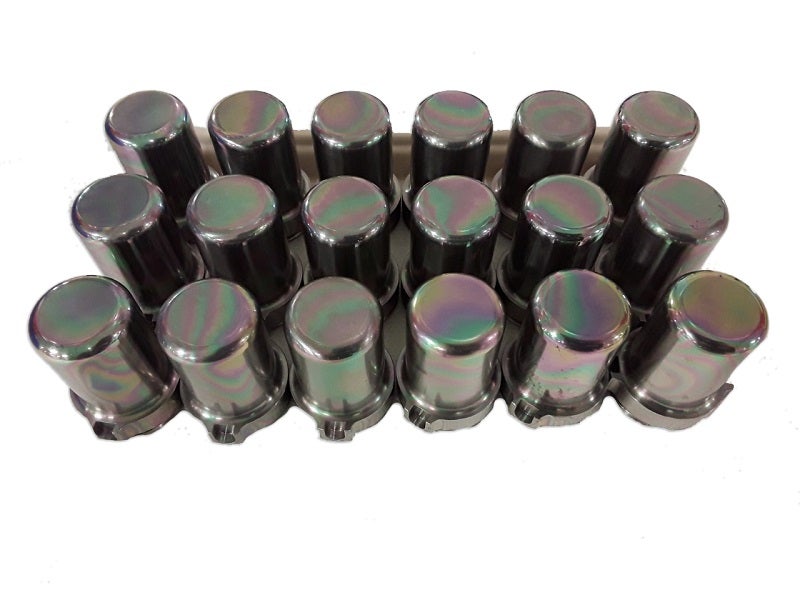

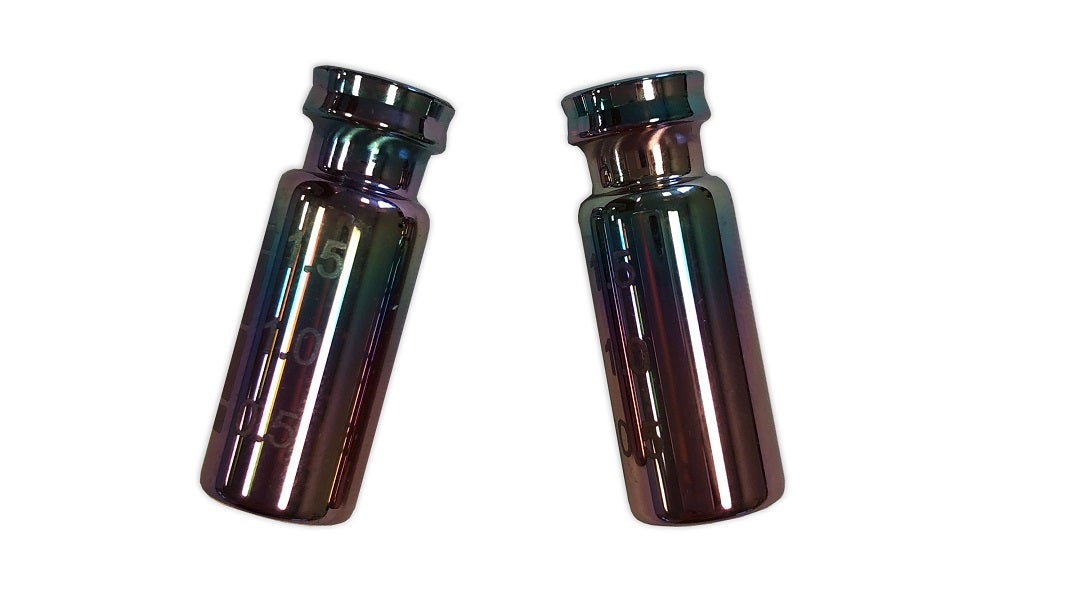
Dursan has been certified by the National Sanitation Foundation (NSF) and complies with US Food and Drug Administration (FDA) regulations.
The benefits of an inert flow path in medical diagnostic equipment include:
• Minimised test errors as non-specific proteins cannot bind to flow path surfaces. The combination of Dursan coating and a wash step containing a non-ionic surfactant allows tested proteins to be fully removed.
• Increased component life due to greater corrosion resistance. Comparative tests show a significant improvement in component durability when exposed to corrosives such as bleach.
• Prevention of sample carryover and contamination by reducing surface pitting in corrosive environments.
• Improved durability during sonication. Comparison studies showed that sonication made polymer coatings less protein-resistant, but had no negative impact on Dursan’s performance.
SilcoTek coatings can be used to prevent the test analyte from interacting with the flow path surface. The Dursan inert coating prevents adsorption, reactivity and flow path corrosion.
Our coatings can be used for analysing chelating agents and other metal interactive compounds, analysing phosphates to prevent iron interaction, and the analysis and removal of proteins. They are also suitable for polyetheretherketone (PEEK) replacement in high-durability settings, as well as corrosion resistance applications.
Previously a division of Restek, SilcoTek was established as an independent company in January 2009. Since then, our coatings have helped engineers, analysts, chemists and more save time, increase their productivity and achieve performance beyond what was previously possible for them.
In 2019, we finished building an ultra-modern coating facility that has tripled our capacity and improved our innovative coating process. In 2020, we completed another major plant expansion, doubling our previous capacity.
There are many industries that protein adhesion to a surface can affect, including food, marine, and medical industries.
Modern HPLC systems feature an array of exotic materials, but they are significantly more expensive than instruments constructed with stainless steel flow path components.
Medical devices and diagnostic instruments often rely on polymer coatings for a metal-free surface, but these materials are susceptible to corrosion, carryover, and damage that threatens compatibility and performance.
Proteins and other biomedia are prone to adsorbing or fouling on stainless steel surfaces, leading to inaccuracies in clinical assays and detrimental downtime of the analytical system.
The protein-resistant properties of a chemical vapour deposited alkyl-functional carboxysilane coating (Dursan®) were compared to that of an amorphous fluoropolymer (AF1600) coating and bare 316L-grade stainless steel by studying non-specific adsorption of various proteins onto these surfaces using quartz crystal microbalance with dissipation monitoring (QCM-D).
SilcoTek® is not like other coating companies. Sure, we’re manufacturers, but we’re also scientists and engineers who share a common interest in diverse fields.
We discuss coating the internal surfaces of small bore tubing and needles. How is the coating applied? Does the coating perform? How small a bore can we coat?
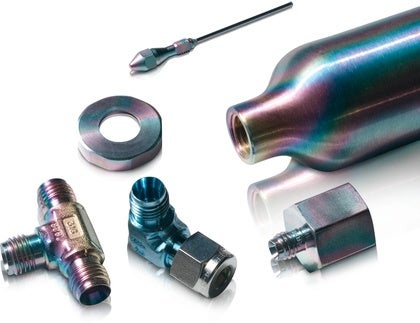
SilcoNert® is an inert non reactive silicon coating process that makes flow paths inert for better process control, consistent sampling and analytical results. The patented chemical vapor deposition (CVD) process bonds the coating to stainless steel, alloy, ceramic, and glass, making a high tolerance durable coating even under extreme temperatures and pressures.
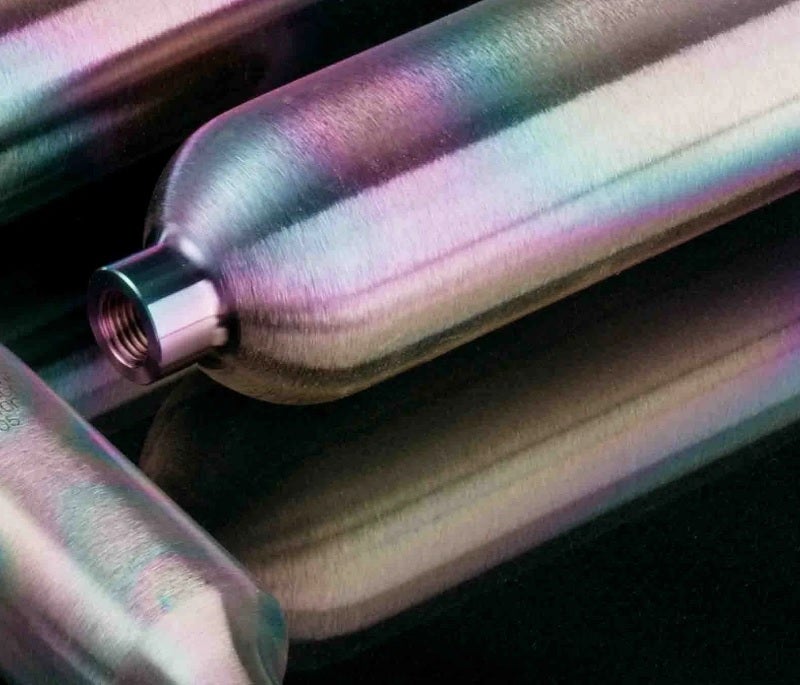
Dursan® is a proprietary, patented, NSF-certified and FDA-compliant process designed to improve the inertness, durability, fouling and corrosion resistance of products ranging from precision instrumentation to severe industrial applications.
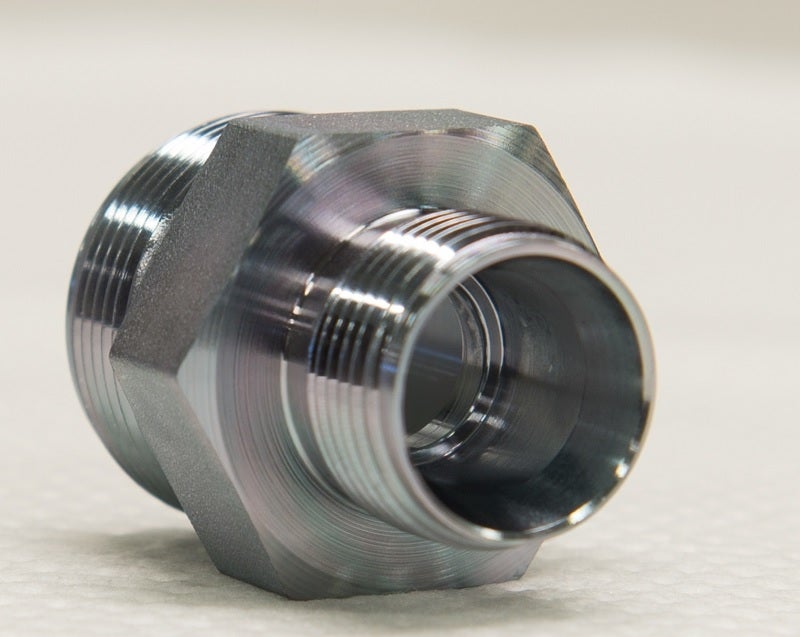
Silcolloy® is a corrosion-resistant coating process that is bonded to stainless steel and other surfaces by chemical vapour deposition. Our patented high-tolerance silicon barrier coating technology protects the most intricate precision components in corrosive and harsh environments for rust prevention, metal ion contamination prevention and improved durability.
SilcoKlean® is a high-temperature precision anti-coking coating process, designed specifically to reduce carbon coking and improve fouling resistance on stainless steel and speciality alloy surfaces.
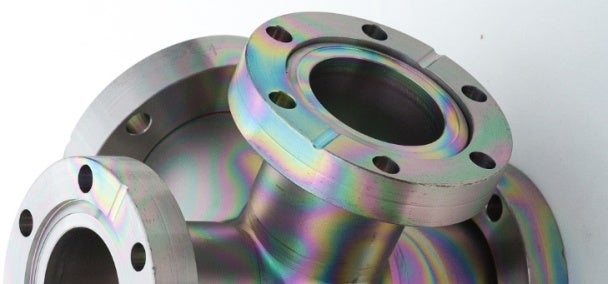
SilcoGuard® is a high-purity silicon barrier coating process designed to minimise vacuum system outgassing and contamination in ultra-high vacuum chambers and semiconductor process flow paths. SilcoGuard is bonded to stainless steel, alloy, glass, and ceramic surfaces by SilcoTek's patented chemical vapor deposition process.
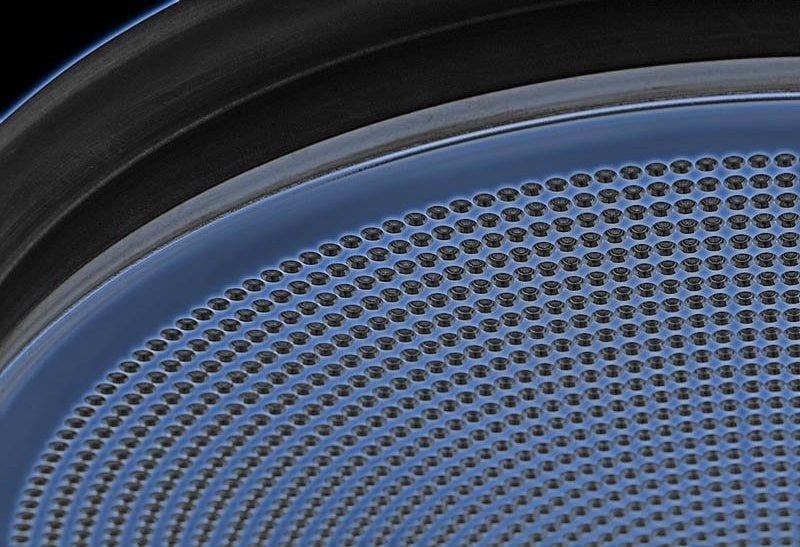
Dursox® is a thin but durable silicon oxide (SiO), high-purity barrier coating process that prevents semiconductor tool corrosion and erosion. Our patented CVD process bonds super high purity silicon to stainless steel, alloy, glass, and ceramic surfaces.
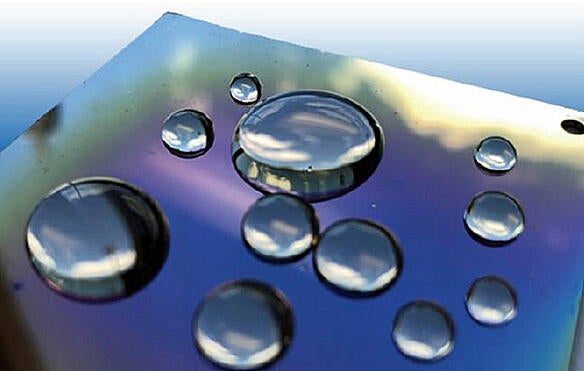
Notak® is SilcoTek’s newest and most hydrophobic and oleophobic surface treatment. Applied via chemical vapour deposition (CVD), the patented Notak coating process improves surface repelling properties to resist the unwanted build-up of water, oils, sticky hydrocarbons and other foulants.